Schedule a Call
Ready to Upgrade Your Process Operations?
Ready to Upgrade Your Process Operations?
Learn how steel fabrication quality control works, from inspections and testing to traceability and process checks that reduce rework, delays, compliance risk.
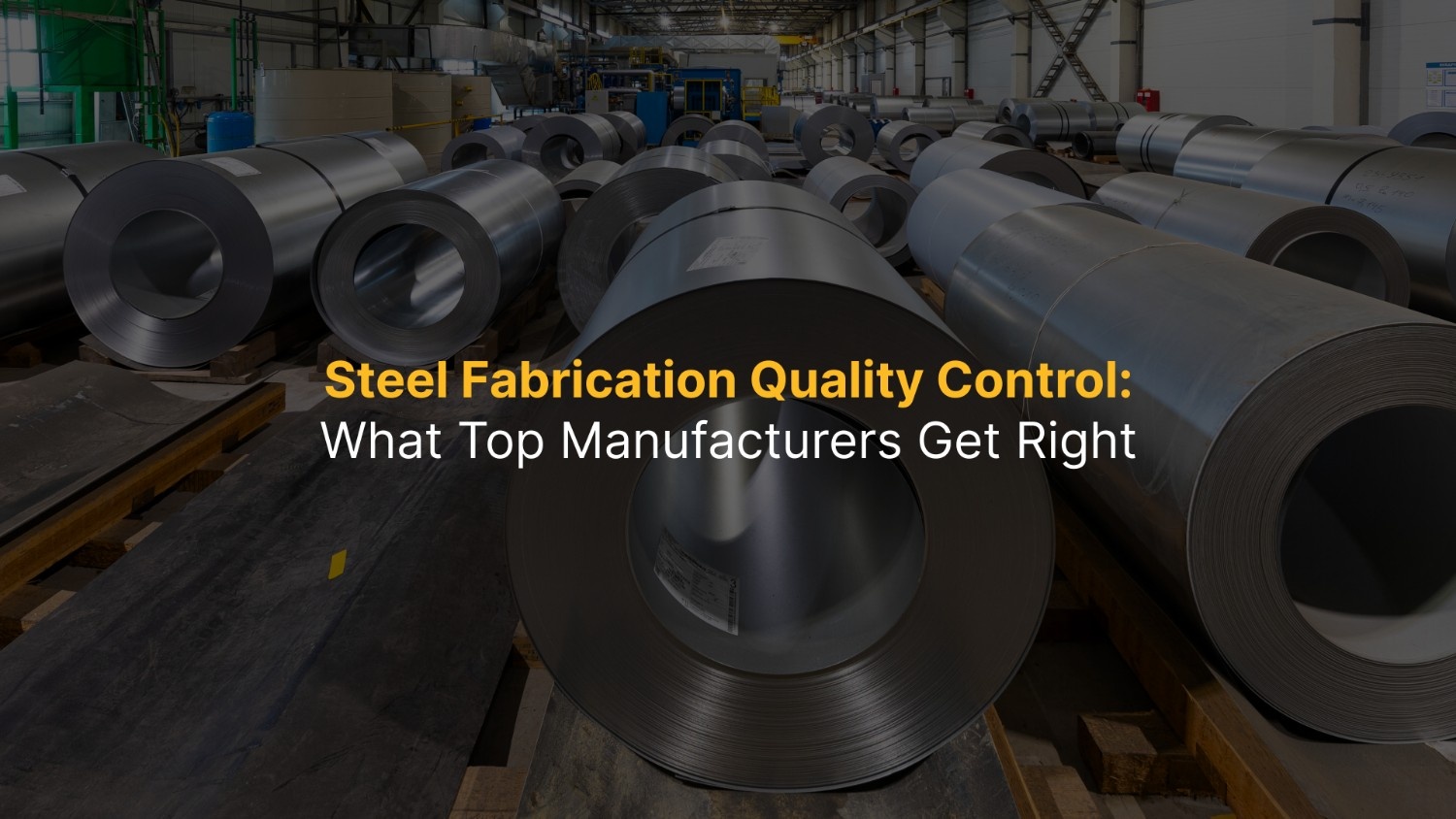
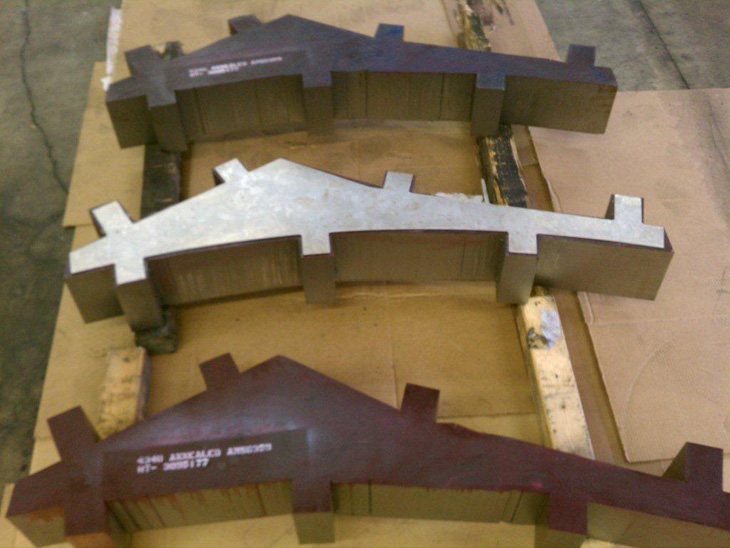
Steel fabrication failures rarely start on the shop floor. They start earlier, with gaps in inspection, undocumented material substitutions, missed weld checks, or assumptions that someone else verified compliance. For procurement leaders, that risk shows up as supplier exposure and audit pressure.
This is why quality control is a discipline that runs from incoming material verification through cutting, welding, forming, inspection, and final release.
This blog breaks down the quality control processes that top steel fabricators get right. You will see how material traceability is maintained, where inspections actually prevent downstream issues, and why documentation matters as much as measurements. Let’s get started.
A strong quality control system shapes how reliably a fabrication operation performs under real production pressure. Here are some key benefits:
In steel fabrication, quality control is a strategic system that simultaneously protects margins, schedules, and reputation.
Also Read: Best Drill Bits for Stainless Steel Bolts – Expert Picks
These benefits are achieved through a clear, structured process. Here’s how quality control is applied step by step.

Quality control in steel fabrication is a continuous system that follows the process from planning through delivery, with checks built into each stage.
Quality control starts before steel is cut. Drawings, tolerances, material grades, weld symbols, and inspection points are reviewed to remove ambiguity. This step aligns engineering intent with fabrication reality and prevents rework caused by unclear specifications.
Steel is verified on receipt to confirm grade, dimensions, surface condition, and traceability. Heat numbers, mill test reports, and certifications are checked to ensure compliance before fabrication begins.
Each fabrication step is planned in sequence, including cutting, machining, welding, forming, and finishing. Clear process definitions enable inspections at the right moments, not after errors are locked in.
Measurements are taken during fabrication, not just at final inspection. Fit-up, hole locations, flatness, and alignment are verified to prevent tolerance stack-up later.
Weld preparation, parameters, and joint fit-up are reviewed before welding starts.
Visual inspection is supported by NDT methods when required to confirm the soundness of internal welds.
Finished components are checked against drawing requirements and functional expectations. This may include dimensional confirmation, load checks, or fit validation based on the application.
Inspection results, deviations, approvals, and certifications are recorded at each stage.
This documentation supports audits, traceability, and consistent quality across repeat builds.
Before shipment, parts undergo a final quality review for completeness and damage risk.
Packaging and handling are planned to preserve dimensions and surface condition through delivery.
Quality control in steel fabrication works when these steps are planned early, executed consistently, and documented clearly, so parts arrive ready to assemble, inspect, and perform as intended.
When fabrication quality depends on clean material, tight tolerances, and reliable documentation, Aero-Vac Alloys & Forge supports the process upstream with certified steel, in-house cutting, machining, heat treatment, forging, and testing. That way, material arrives ready for inspection, fabrication, and audit.
In steel fabrication, quality control is inseparable from grade compliance. Every load-bearing or pressure-critical component performs only as well as the grade it meets. Quality control ensures steel grading standards are verified and maintained throughout fabrication by focusing on:
When grading verification is handled well, downstream issues stay contained. Weld procedures align with material behavior, and inspection results remain predictable.
When it is overlooked, problems surface late. Failed NDT, rejected welds, or grade mismatches force rework, delay schedules, and raise questions during customer or regulatory review.
Also Read: 11 Best Tungsten for TIG Welding Stainless Steel in 2026
Alongside these steps, specific methods are used to ensure accuracy, safety, and compliance.

Quality control in steel fabrication is practical and process-driven. Below are the QC techniques experienced fabricators rely on every day.
When inspections are built into each fabrication stage, defects are identified early, rework is reduced, and production stays predictable. This is where the right materials partner makes a measurable difference in maintaining consistent quality.
When quality control matters at every fabrication stage, Aero-Vac helps teams reduce risk before material reaches the shop floor.
If your steel fabrication program depends on verified materials, documented quality, and processing you can trust, Aero-Vac Alloys & Forge is built to support it.
Steel fabrication quality control is a chain of decisions that starts with material selection and continues through processing, inspection, and documentation. When any link in that chain is weak, issues surface later as rework, delays, or compliance risk.
Aero-Vac Alloys & Forge supports steel fabrication quality by controlling the variables that matter before fabrication begins. Our certified steel inventory, full mill traceability, and AS9100D / ISO 9001 systems give procurement and quality teams confidence in material origin and compliance.
Contact us to explore Aero-Vac Alloys & Forge’s certified steel inventory and value-added processing services to source fabrication-ready material with the traceability and reliability your quality systems depend on.
1. What is quality control in steel fabrication?
Quality control in steel fabrication ensures materials, processes, and finished components meet mechanical, dimensional, and compliance requirements before release to service.
2. What are the four main types of quality control used in steel fabrication?
The four types are raw material inspection, in-process inspection, non-destructive testing, and final dimensional and documentation verification.
3. Why is raw material inspection critical for steel quality control?
Material chemistry, cleanliness, and traceability directly affect weld integrity, fatigue life, and corrosion performance. Poor inputs create downstream defects that inspections cannot fully correct.
4. How does in-process quality control reduce fabrication risk?
Monitoring cutting, forming, welding, and heat treatment prevents dimensional drift and weld defects before they become costly rework or schedule delays.
5. What role does documentation play in steel quality control?
Traceable mill test reports, heat numbers, and inspection records support audits, certification, and root-cause analysis when quality issues arise.