Schedule a Call
Ready to Upgrade Your Process Operations?
Ready to Upgrade Your Process Operations?
Explore the best drill bits for stainless steel bolts and how to select the right one for your needs. Learn about materials, coatings, and performance tips.
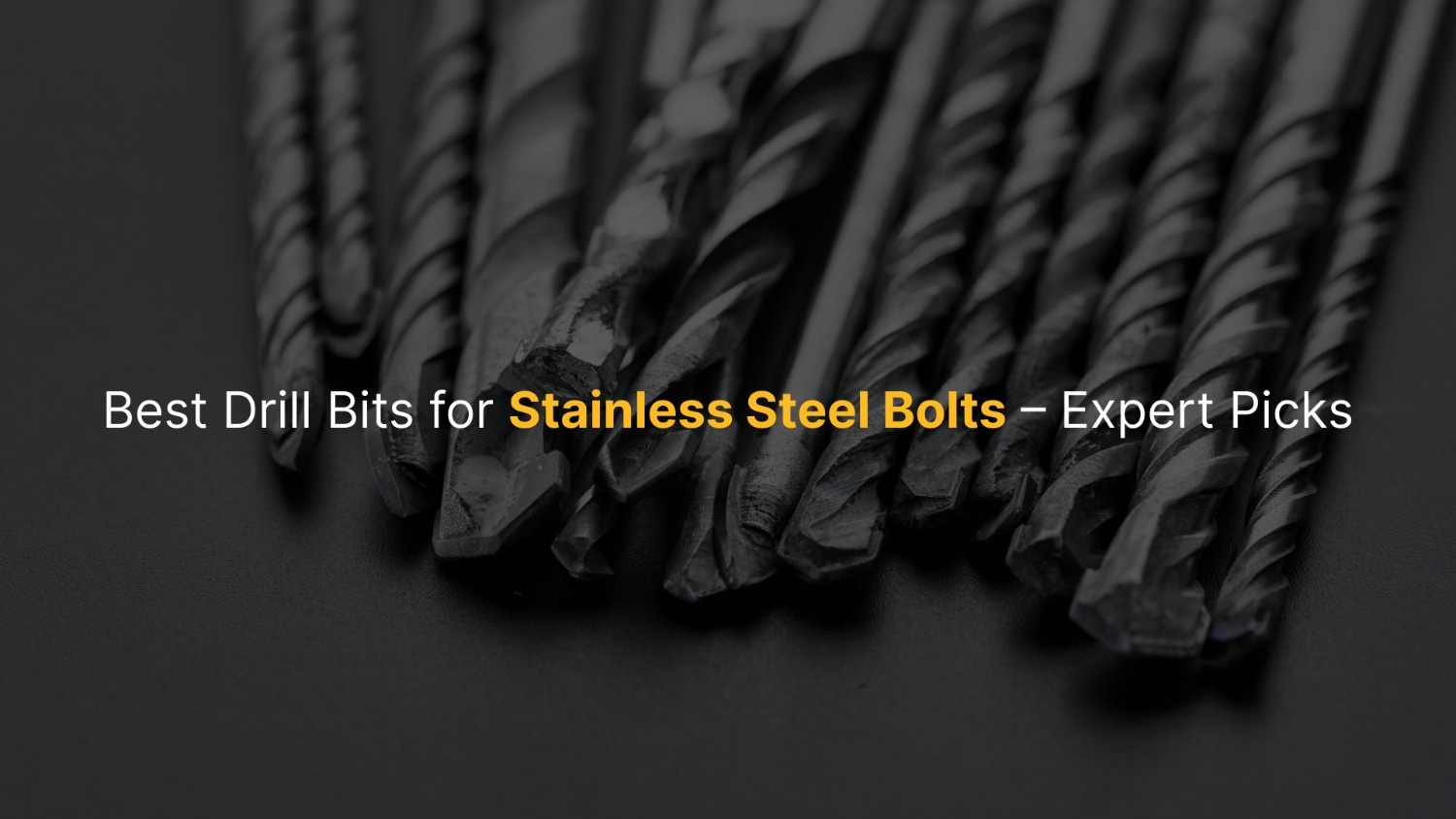
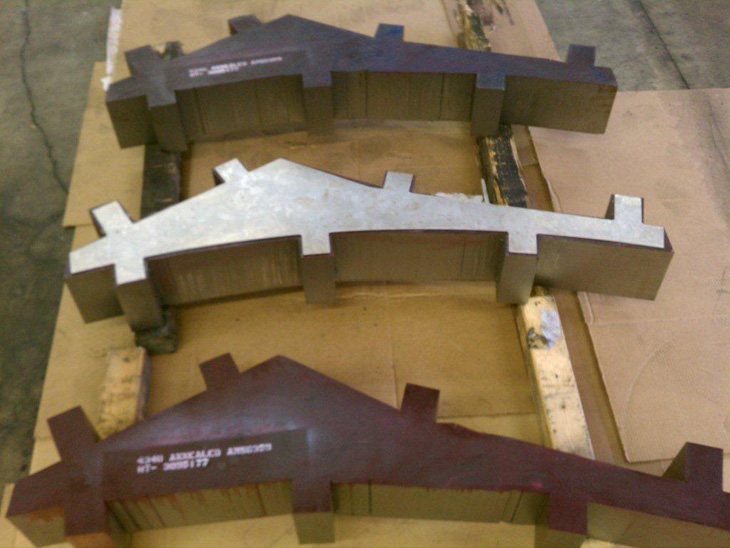
Drilling through stainless steel bolts can be one of the most challenging tasks in precision manufacturing. The hardness and resistance to heat make stainless steel difficult to work with, demanding the right tools to achieve clean, efficient cuts.
Choosing the best drill bits for stainless steel bolts is crucial to avoid excessive wear, heat buildup, and subpar results. Poor-quality drill bits can lead to increased downtime, higher tool replacement costs, and poor hole quality.
To ensure optimal performance, it's important to understand the unique characteristics of each drill bit type and how they can improve both efficiency and precision in stainless steel drilling.
Choosing the right drill bit for stainless steel requires a balance of performance, durability, and material compatibility. Understanding the following factors will help prevent operational inefficiencies and ensure quality results.
These factors directly affect your drilling performance. Now, let's look at the 10 best drill bits for stainless steel bolts, each personalized for specific applications.
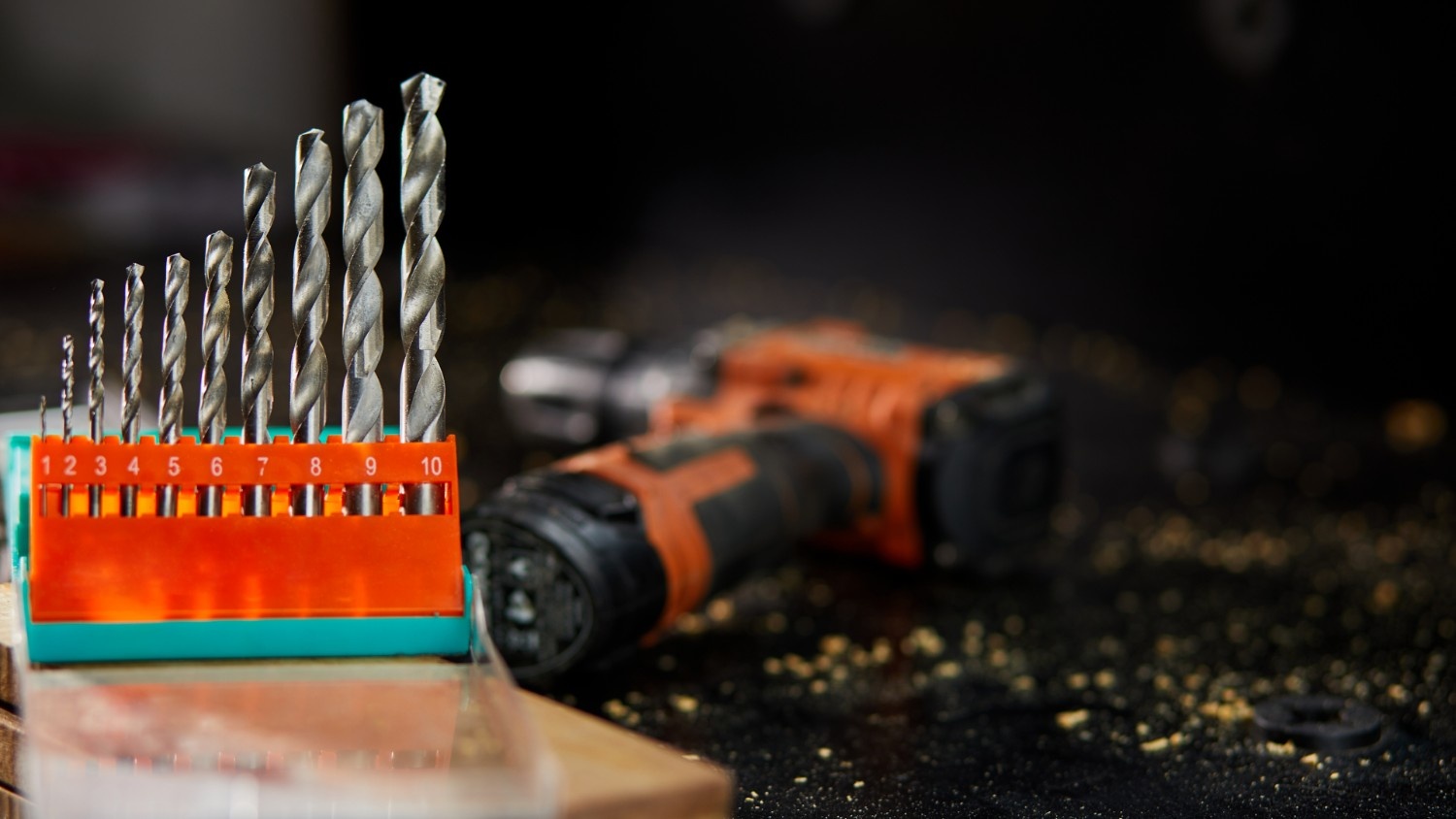
Choosing the right drill bit for stainless steel bolts can significantly impact the efficiency and quality of your work.
Here are the top 10 drill bits that are best suited for stainless steel, each offering unique advantages for specific applications:
Material Composition: High-speed steel alloyed with 5-8% cobalt.
Durability: Cobalt steel bits are harder and more heat-resistant than standard high-speed steel, offering better longevity and sharpness retention under heavy use.
Limitations: Not as hard as carbide bits; brittleness at high speeds or excessive pressure. Wears faster in high-precision applications.
Best For: Ideal for heavy-duty automotive and industrial applications, particularly when drilling through tough stainless steel bolts.
Material Composition: Tungsten carbide.
Durability: Solid carbide bits are highly resistant to wear and can withstand high temperatures, providing long-lasting performance.
Limitations: Brittleness under excessive stress; requires low speeds to avoid heat buildup, unsuitable for rapid drilling operations.
Best For: Precision drilling in aerospace, medical, and manufacturing applications requiring clean, accurate holes in stainless steel.
Material Composition: High-speed steel (HSS) coated with titanium (typically TiN).
Durability: Titanium coating extends the lifespan of the bit by preventing wear and corrosion.
Limitations: Coating wears off over time in heavy-duty use; not as durable as carbide bits for high-precision or high-stress drilling.
Best For: Ideal for general-purpose stainless steel drilling where heat management and corrosion resistance are crucial.
Material Composition: Industrial-grade diamond tips.
Durability: Diamond-encrusted bits are the longest-lasting, offering the best durability for drilling tough, abrasive materials.
Limitations: High cost compared to other bits; brittleness under impact; overkill for softer materials.
Best For: High-performance applications like aerospace or defense, where drilling through tough stainless steel alloys is necessary.
Material Composition: Titanium alloys or coated with titanium nitride (TiN).
Durability: Excellent wear resistance and heat dissipation, making them ideal for prolonged drilling operations in stainless steel.
Limitations: Lacks extreme hardness compared to carbide; requires careful feed rates to avoid wear.
Best For: High-volume drilling operations in industries like automotive and heavy manufacturing.
Material Composition: High-speed steel (HSS) or cobalt steel, often coated.
Durability: Step drill bits offer good durability but are generally less durable than carbide or cobalt bits.
Limitations: Limited to thinner materials; not effective for thick stainless steel or deep-hole precision drilling; suffers from rapid wear at high speeds.
Best For: Automotive applications and drilling through thinner stainless steel panels, ideal for multiple hole sizes in a single pass.
Material Composition: High-speed steel (HSS) coated with materials like titanium nitride (TiN), gold oxide, or black oxide.
Durability: The coatings improve wear resistance, heat dissipation, and corrosion resistance, extending the bit's life significantly.
Limitations: While coated HSS bits perform better than standard HSS, they are still not as durable as carbide bits for prolonged, high-stress drilling. The coatings can also wear down over time, especially under extreme temperatures.
Best For: These bits are ideal for general-purpose drilling in stainless steel, particularly for professionals and DIY users looking for a cost-effective solution for occasional heavy-duty drilling.
Material Composition: High-speed steel (HSS) with a gold oxide coating.
Durability: The gold oxide coating helps reduce friction, improving the longevity of the drill bit and preventing wear and corrosion, especially in stainless steel.
Limitations: Gold oxide coating is less durable than coatings like titanium nitride and can degrade more quickly with heavy use. These bits are not suitable for extremely tough materials or high-precision tasks.
Best For: Perfect for general stainless steel drilling tasks where moderate heat buildup is a concern but heavy-duty performance isn't required. Suitable for both professional and DIY applications.
Material Composition: High-speed steel (HSS) coated with a combination of black and gold coatings.
Durability: This dual-coating provides improved corrosion resistance, heat dissipation, and a smoother drilling experience, significantly extending the bit's operational life.
Limitations: While the coatings provide improved resistance to wear and rust, they are not as durable as carbide or titanium-coated options for extended heavy-duty use.
Best For: Great for general-purpose stainless steel drilling in various industrial and DIY applications. Particularly effective for users who need a balance of durability and cost-effectiveness.
Material Composition: Premium materials, often a combination of high-speed steel (HSS) or cobalt steel, with specialized coatings like titanium nitride (TiN) for improved performance.
Durability: These bits are specifically engineered for tough, high-performance applications, providing excellent longevity, even in demanding automotive environments.
Limitations: Designed for specific tasks, these bits may not be as versatile for general-purpose drilling or non-automotive applications. They are also typically more expensive than standard drill bits.
Best For: Ideal for automotive manufacturing, especially for drilling through tough stainless steel components in engine parts, body panels, and other automotive applications requiring precision and strength.
Struggling to find reliable, high-performance stainless steel materials for your project? Aero-Vac offers certified, traceable specialty metals, ensuring the best materials for your drilling needs.
With a vast inventory and fast turnaround, Aero-Vac supports industries like aerospace, defense, and medical with precision materials.
Now that the best drill bits for stainless steel have been covered, let’s look at common mistakes to avoid when choosing drill bits for stainless steel.
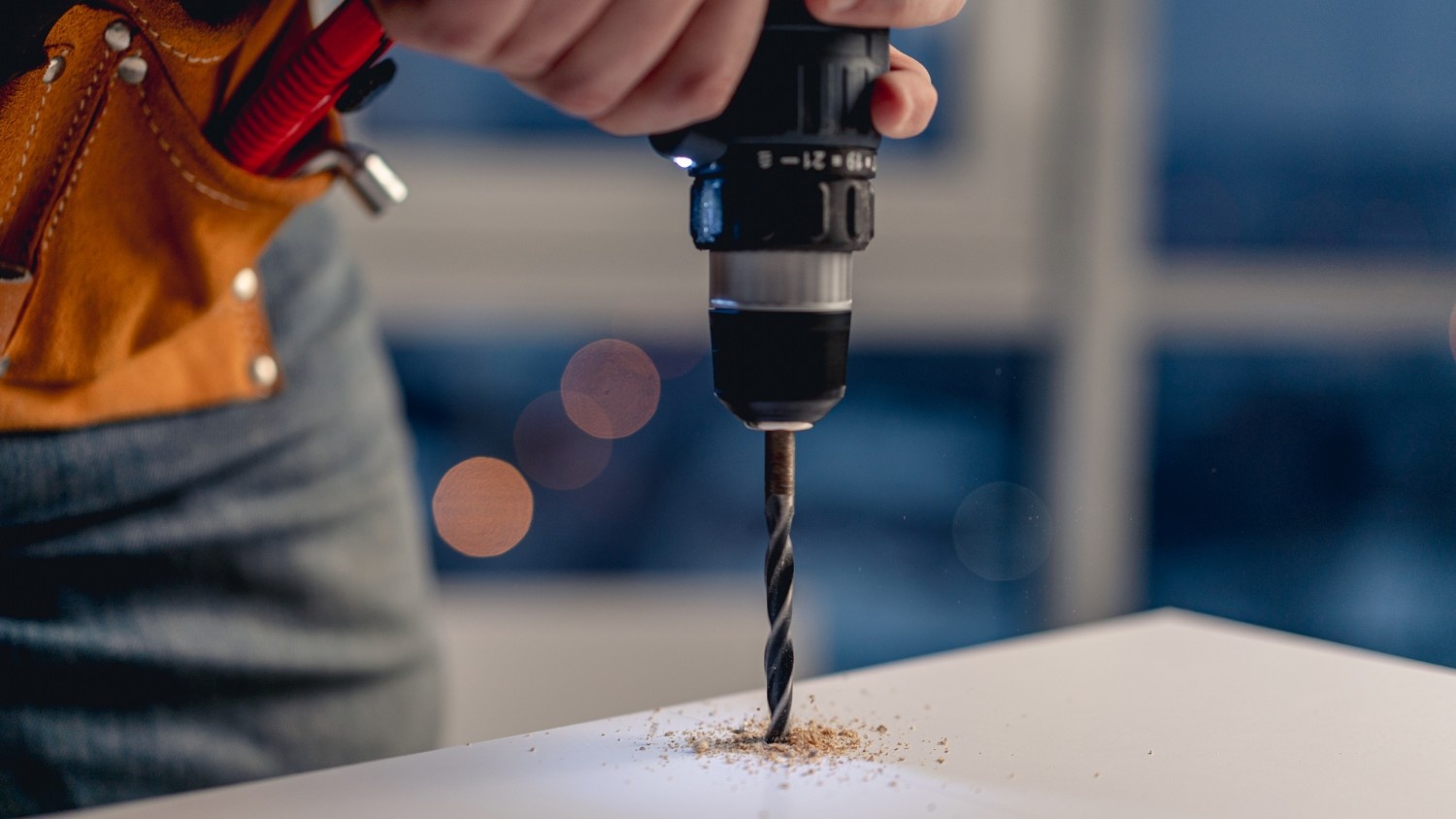
Choosing the right drill bit for stainless steel is critical, but several common mistakes can lead to inefficiency and unnecessary costs.
Avoiding these pitfalls ensures a smoother and more effective drilling process.
Using HSS bits on hard stainless steel alloys like Inconel or 17-4PH can lead to rapid dulling.
How to Avoid: Use cobalt (5-8%) or solid carbide bits for high-performance drilling in tougher alloys. Carbide bits retain their edge longer and handle high temperatures better.
Drilling at too high a speed or improper feed rate on stainless steel can cause excessive heat and bit wear.
How to Avoid: For cobalt bits, use a cutting speed of 60–100 surface feet per minute (SFM) for tough stainless steel. For carbide, reduce speed to 30–60 SFM for optimal results and longer tool life.
Stainless steel generates a lot of heat during drilling, which can lead to bit damage and material warping.
How to Avoid: Use cutting fluids or lubricants designed for stainless steel drilling, such as water-soluble oils or synthetic fluids. This reduces friction and maintains the integrity of the bit.
Uncoated drill bits can wear out quickly and lead to inconsistent hole quality in stainless steel.
How to Avoid: Opt for titanium nitride (TiN) or gold oxide coatings on HSS or carbide bits to reduce friction. These coatings improve heat resistance, making them ideal for prolonged drilling in heat-sensitive materials like stainless steel.
Standard drill bits may cause burrs or misshaped holes when drilling with high precision.
How to Avoid: For high-precision applications, use split-point or spiral flute drill bits. These designs ensure cleaner holes, better chip removal, and prevent binding, especially in deep or precise holes.
Avoiding these mistakes ensures smooth operations and maximizes tool life, saving time and reducing costs.
Next, let’s explore why Aero-Vac provides the ideal high-quality stainless steel solutions for your critical applications.
Aero-Vac specializes in providing high-performance specialty metals and custom forgings for industries where quality and reliability are critical.
With a focus on mitigating supply chain risks, Aero-Vac delivers certified, traceable, and high-quality materials that meet stringent industry standards.
What Aero-Vac Offers:
Aero-Vac's commitment to quality and fast delivery makes them the ideal partner for your stainless steel needs.
Explore Aero-Vac's Forging-Grade Alloys & Metals to see how they can support your next project.
Drilling stainless steel bolts requires the right drill bit to ensure precision and durability. The best drill bits for stainless steel bolts include cobalt, carbide, and titanium-coated options, each suited for specific applications.
Aero-Vac provides certified, high-performance stainless steel solutions with fast turnarounds and reliable quality. Their extensive inventory ensures you get the materials you need when you need them.
Need high-quality stainless steel materials? Get in touch for a custom quote or explore Aero-Vac’s premium alloys today.
1. What drill bit is best for drilling through hard stainless steel alloys?
For drilling through hard stainless steel alloys like Inconel, solid carbide drill bits are the best option. They provide the hardness and precision required to maintain sharpness under intense workloads.
2. How does the coating on drill bits impact performance?
Coatings like titanium nitride (TiN) reduce friction and heat buildup, improving the lifespan of the drill bit. These coatings improve the drilling efficiency, particularly when working with tough materials like stainless steel.
3. Can I use a standard drill bit for stainless steel?
While standard HSS drill bits can be used for light drilling in stainless steel, they wear out quickly. For optimal performance, use cobalt or carbide bits for tougher, heat-resistant alloys.
4. How do I prevent drill bits from overheating when drilling stainless steel?
To prevent overheating, reduce drill speed, and apply cutting fluids or lubricants. This helps dissipate heat and minimizes friction, extending the life of your drill bit.
5. What is the difference between cobalt and carbide drill bits for stainless steel?
Cobalt drill bits are great for general stainless steel drilling and heat resistance, while carbide bits excel in precision drilling and longevity, especially in tougher stainless steel grades and high-production environments.