Oops! Something went wrong while submitting the form.
X
Alloy Quality Control: How to Ensure Consistent Metal Performance
Learn the importance of alloy quality control in ensuring consistent metal performance. Discover techniques for maintaining alloy integrity in manufacturing.
Your one-stop metals shop offering value-added services on time!
Thank you! Your submission has been received!
Oops! Something went wrong while submitting the form.
Trusted by 100+ Growth Leaders.
In high-stakes industries such as aerospace, defense, and medical manufacturing, the quality of your metal alloys directly affects mission success and operational reliability. For manufacturing engineers, ensuring that materials meet exacting standards for strength, corrosion resistance, and durability is critical.
Yet, maintaining consistent alloy performance across every batch is an ongoing challenge. Even small deviations in material properties can lead to catastrophic failures, costly rework, and missed production targets.
This blog addresses the pain points around alloy quality control and how it plays an important role in safeguarding your operations. Let’s jump in.
Quick Recap
Alloy Quality Control ensures consistent alloy performance by monitoring composition, physical properties, and mechanical strength.
Common defects such as porosity and cracking can weaken alloys, making quality control essential to prevent failures.
Testing Methods such as hardness and tensile tests, confirm that alloy properties meet aerospace standards.
Rigorous Quality Control and process monitoring reduce risks and ensure compliance with industry specifications.
Continuous Improvement and proper documentation maintain alloy integrity, ensuring reliable performance in critical aerospace applications.
Alloy Quality Control in Performance-Critical Manufacturing
Alloy quality control is a series of processes designed to ensure that the alloy maintains consistent properties throughout production. This includes monitoring certain characteristics and performance to ensure compliance with strict standards.
Chemical Composition Control: The alloy’s elements must be precisely mixed to achieve the desired characteristics, such as corrosion resistance and strength.
Physical Properties Monitoring: Ensuring the alloy has the required density, ductility, and hardness for the intended application.
Mechanical Performance Checks: Verifying that the alloy can withstand stress, fatigue, and high temperatures without failure.
Effective quality control guarantees that the alloy performs as expected, reducing the risk of failure in mission-critical components.
Now that we've defined quality control, let's take a closer look at the defects that can occur in alloys and how they impact performance.
Common Alloy Defects and Their Causes
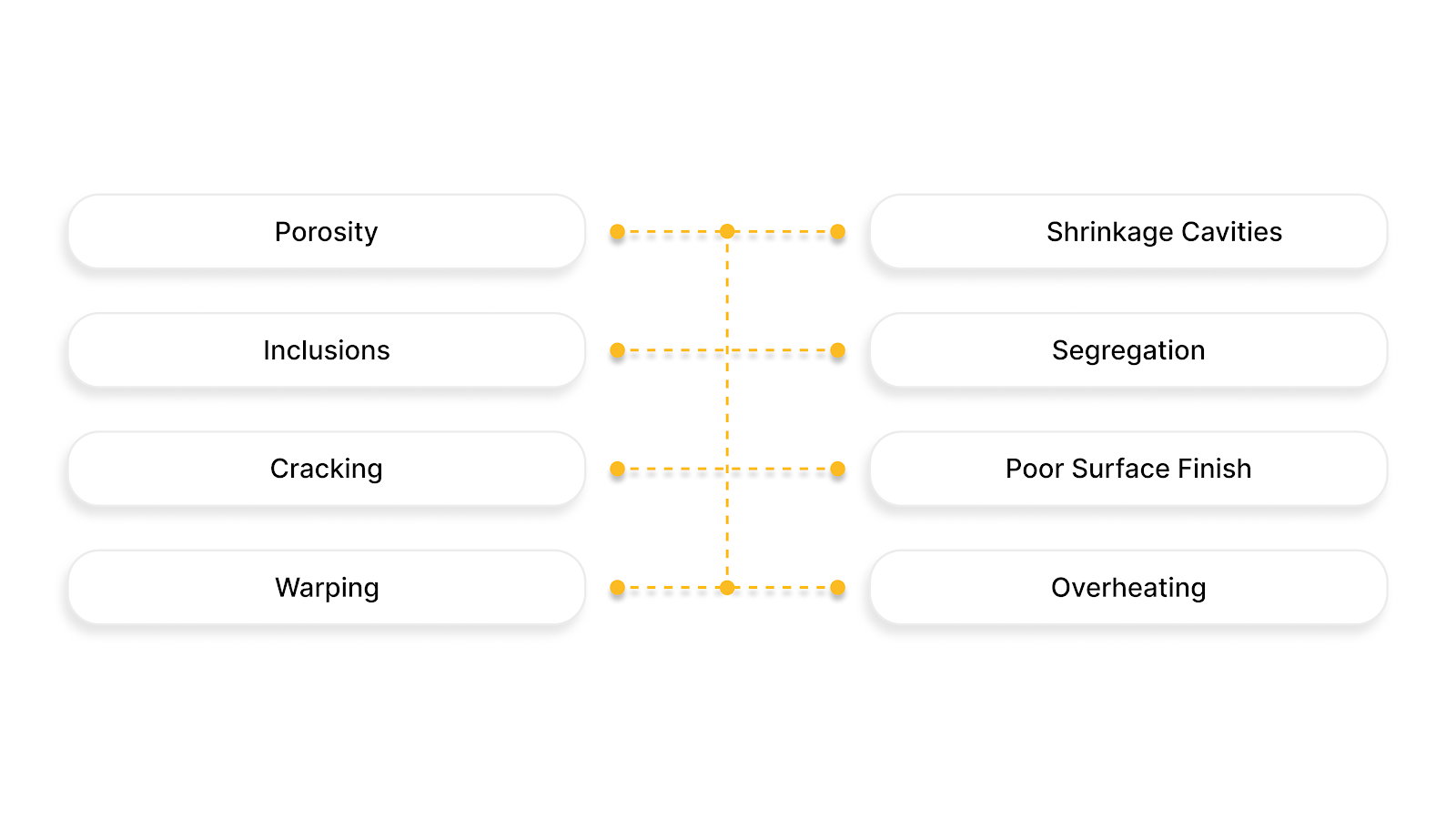
Alloy defects can significantly impact performance and safety in critical applications, making it essential to understand their causes and how to prevent them. Below are some common alloy defects and their origins:
1. Porosity
Cause: Air pockets or gas bubbles trapped within the metal during solidification.
Impact: Weakens material integrity, especially in aerospace and medical components, leading to premature failure.
Prevention: Control pouring rates, optimize mold design, and use vacuum-assisted casting to minimize gas entrapment.
2. Shrinkage Cavities
Cause: Insufficient molten material to fill the mold as it cools, leading to voids.
Impact: Reduces alloy density and can cause cracking under stress.
Prevention: Adjust casting conditions, use risers to allow for uniform solidification, and maintain optimal pouring temperatures.
3. Inclusions
Cause: Contaminants such as slag, sand, or oxides trapped in the alloy during processing.
Impact: Inclusions can disrupt mechanical properties and lead to brittle fracture in finished components.
Prevention: Use filtration during casting, and maintain strict cleanliness standards in the production environment.
4. Segregation
Cause: Uneven distribution of alloying elements during cooling, leading to localized variations.
Impact: Creates inconsistent material properties, leading to potential weak points.
Prevention: Implement uniform cooling rates and stir melts for even element distribution.
5. Cracking
Cause: Stress during cooling, improper alloy composition, or thermal cycling during use.
Impact: Cracks compromise structural integrity, leading to failure in high-stress environments.
Prevention: Control cooling rates, optimize alloy compositions for specific applications, and implement heat treatment to relieve stresses.
6. Poor Surface Finish
Cause: Inadequate machining, surface contamination, or improper cooling.
Impact: Affects fatigue resistance and component fitting.
Prevention: Use precision machining techniques and ensure clean environments during fabrication.
7. Warping
Cause: Uneven cooling leading to internal stresses that distort the material shape.
Impact: Reduces dimensional accuracy and fit during final assembly.
Prevention: Apply uniform cooling practices and use materials with controlled thermal expansion properties.
8. Overheating
Cause: Excessive heat during processing, which can cause the alloy to lose its desired properties.
Impact: Overheating can lead to a loss of strength and corrosion resistance in the final product.
Prevention: Monitor and control temperature closely during melting, casting, and heat treatments to avoid exceeding material limits.
Regular monitoring, process optimization, and the use of advanced testing techniques can help detect these issues early and prevent costly failures down the line.
Understanding these defects is the first step, but controlling quality requires more; let’s explore the processes that ensure consistent alloy performance.
Alloy Quality Control: How to Ensure Consistent Metal Performance
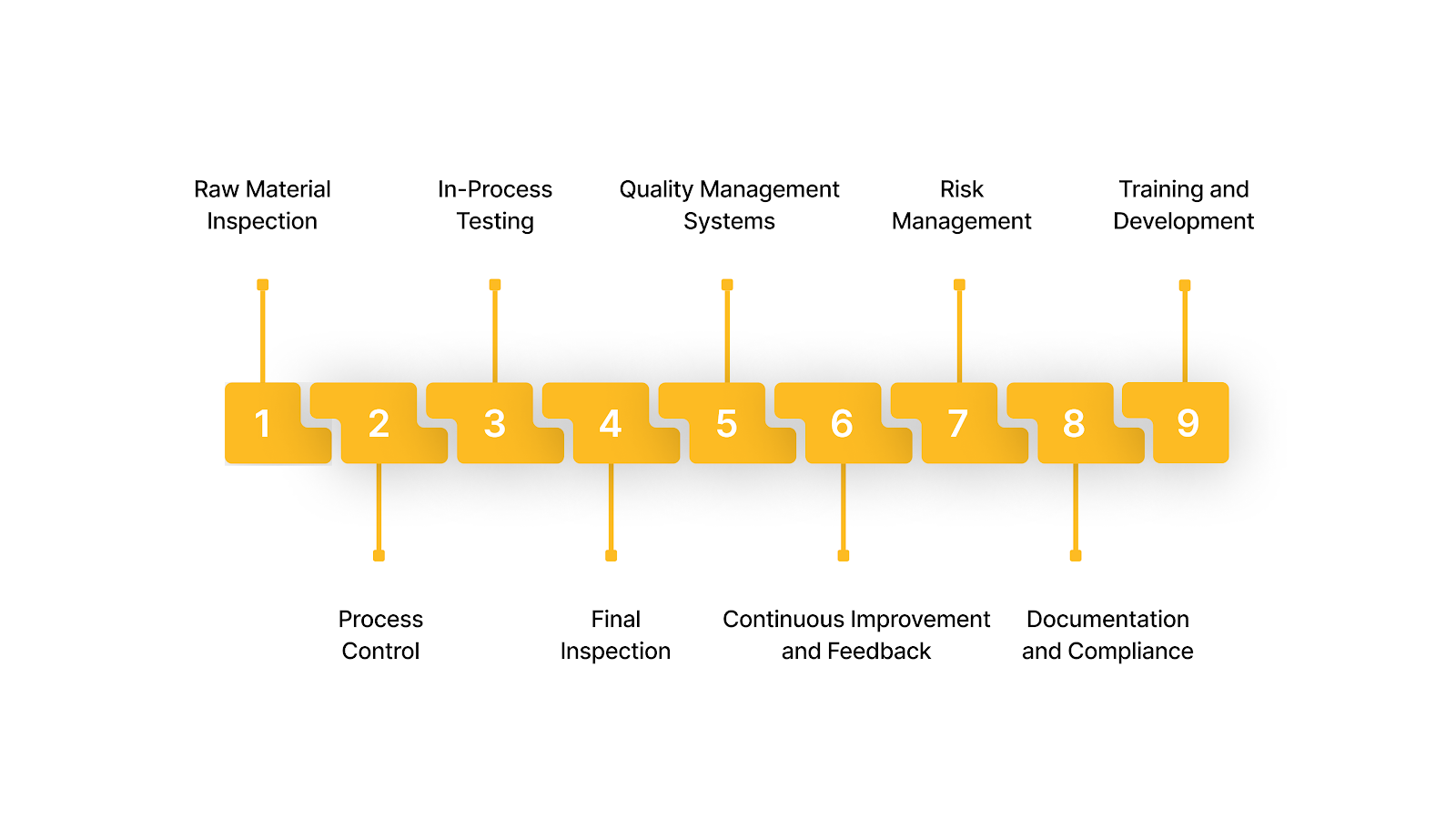
Ensuring consistent performance from alloys requires a structured and rigorous approach to quality control throughout every stage of production. Here’s how to ensure consistency and quality in your metal alloys:
1. Raw Material Inspection
Supplier Selection: Choose reputable suppliers known for consistent delivery and certified materials. Verify certifications and specifications before moving forward.
Incoming Inspection: Conduct thorough testing of all incoming materials to ensure they meet required chemical and physical properties.
Chemical Composition Testing: Ensure the alloying elements align with the desired formulation to ensure the final product meets performance standards.
2. Process Control
Temperature Management: Control melting temperatures precisely to ensure complete alloying and prevent material inconsistencies.
Pressure and Mixing Control: Maintain strict control over mixing ratios and pressures during the alloying process to prevent variations that can affect quality.
Automated Monitoring: Utilize advanced systems to monitor key parameters such as temperature, pressure, and chemical composition in real time, reducing human error.
3. In-Process Testing
Non-Destructive Testing (NDT): Use ultrasonic, X-ray, or magnetic particle testing during production to identify defects or inconsistencies early, preventing defective products from reaching the final stages.
Real-time Adjustments: Incorporate in-process adjustments to address any variations immediately, ensuring each batch is uniform and within the desired specifications.
4. Final Inspection
Mechanical and Chemical Testing: Perform rigorous testing to confirm that the alloy meets its mechanical properties (e.g., tensile strength, hardness) and chemical composition.
Visual Inspection: Check for surface imperfections that could impact the material’s overall performance. Quality assurance ensures that only alloys meeting the highest standards are released for use.
5. Quality Management Systems (QMS)
Structured Framework: Implement a QMS that includes detailed documentation, regular audits, and continuous improvements to guarantee consistent results.
Traceability: Ensure traceability throughout the production process with detailed records, enabling you to track each alloy batch from raw materials to the final product.
Adherence to Industry Standards: Regularly assess compliance with ISO and AMS standards to ensure the alloy meets all regulatory requirements.
6. Continuous Improvement and Feedback
Process Monitoring: Use real-time monitoring systems to continuously assess production performance and identify trends or potential issues.
Data-Driven Adjustments: Analyze production data to detect inconsistencies, enabling proactive adjustments that ensure consistent quality.
Feedback Loops: Create systems that incorporate feedback from quality control teams and production staff to optimize processes and avoid recurring issues.
7. Risk Management
Identifying Risks: Recognize potential risks such as material inconsistencies, equipment malfunctions, or process variations that could affect the final product.
Mitigation Measures: Implement preventive controls and contingency plans to minimize the impact of identified risks and avoid costly failures.
8. Documentation and Compliance
Comprehensive Record-Keeping: Maintain detailed records of production processes, inspections, and quality control tests to ensure accountability and traceability.
Regulatory Compliance: Ensure adherence to global industry standards, such as ISO certifications and AMS specifications, by conducting regular audits and tracking all compliance documents.
Audit Trails: Use digital systems to maintain audit trails, ensuring that all aspects of production and testing are documented for transparency and regulatory compliance.
9. Training and Development
Employee Skill Development: Provide comprehensive training for all team members on alloy production, quality control procedures, and safety practices to ensure consistent quality across operations.
Certifications and Workshops: Offer employees opportunities to obtain certifications and attend industry workshops to stay current with evolving technologies and standards.
Knowledge Sharing: Promote a culture of sharing best practices across teams to improve the consistency and efficiency of the alloy production process.
By implementing these rigorous quality control measures, you ensure that alloys consistently meet the high-performance requirements of mission-critical applications.
Aero-Vac Alloys & Forge is your partner for trusted alloy solutions that meet aerospace, defense, and medical standards. With certified, traceable materials, fast lead times, and in-house processing services, we deliver quality and reliability for your mission-critical applications.
Why Choose Aero-Vac Alloys & Forge for Alloy Quality Control?
Ensuring consistent alloy performance starts with choosing the right partner. Here’s howAero-Vac Alloys & Forge delivers on quality control:
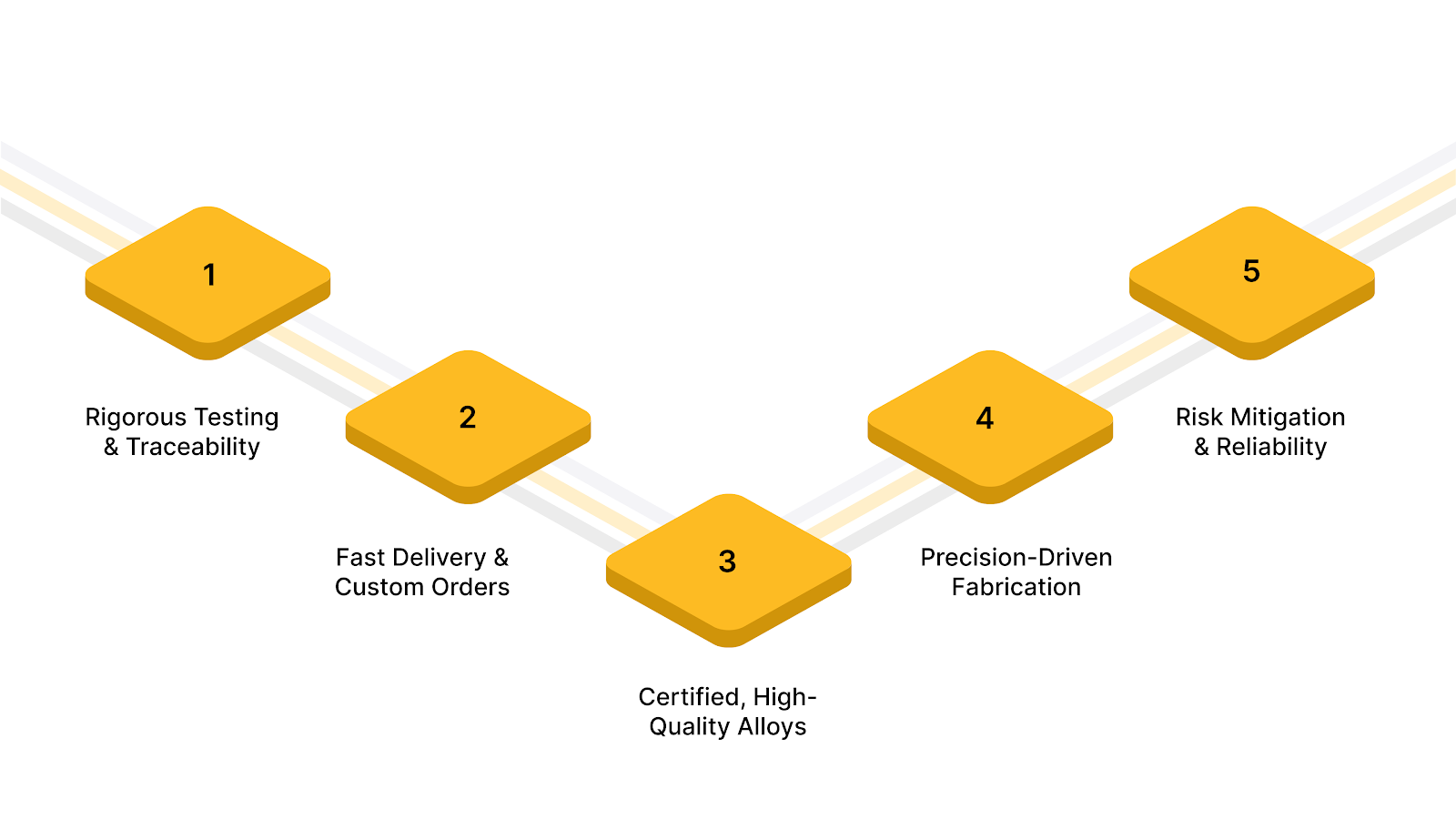
Rigorous Testing & Traceability: We conduct comprehensive testing across hardness, fatigue, and other criteria, ensuring all materials meet AMS, BMS, and MIL-STD standards. Our AS9100D/ISO 9001 certification guarantees complete traceability for your peace of mind.
Fast Delivery & Custom Orders: Custom orders are fulfilled in just 2–4 weeks, and in-stock materials can ship next-day, supporting your production schedules without delays.
Certified, High-Quality Alloys: With over 150 aerospace-grade alloys, including nickel, titanium, and stainless steel, our alloys are tailored to meet the demanding conditions of aerospace applications.
Precision-Driven Fabrication: We offer a range of in-house services, including heat treating, machining, and precision cutting, ensuring parts arrive near-net-shape and ready for final assembly.
Risk Mitigation & Reliability: Our proven track record in mission-critical industries such as aerospace, defense, and medical manufacturing means you can trust us for the quality, speed, and consistency you need.
When alloy quality control is important, Aero-Vac stands as your reliable, one-stop partner.
Conclusion
Ensuring consistent metal performance in aerospace applications requires resilient alloy quality control to maintain material integrity. By addressing common alloy defects and implementing strict testing procedures, manufacturers can reduce risks, prevent failures, and ensure long-term durability.
Aero-Vac Alloys & Forge provides certified, traceable, high-performance alloys and value-added services, ensuring your aerospace projects are delivered with speed, reliability, and precision.
Contact usto explore how Aero-Vac can help you meet your aerospace alloy needs with confidence.
FAQs
1. What are the most common defects in alloys used for aerospace?
Common defects include porosity, segregation, cracking, and inclusions, which can compromise strength, durability, and performance under extreme conditions.
2. Why is quality control critical for aerospace alloys?
Quality control ensures alloys meet stringent industry standards, preventing catastrophic failures, reducing risk, and ensuring reliability in mission-critical aerospace applications.
3. How does alloy composition affect performance?
The right alloy composition directly impacts corrosion resistance, strength, fatigue resistance, and heat resistance, all of which are vital for aerospace components.
4. What are the key testing methods for alloy quality control?
Key methods include hardness testing, tensile strength, fatigue testing, ultrasonic inspection, and chemical analysis to verify material properties and performance.
5. How can Aero-Vac help with alloy quality control?
Aero-Vac provides certified, traceable alloys with comprehensive testing and value-added services such as precision cutting and heat treating, to ensure consistent quality for aerospace applications.
Related articles
8 min read
How Stainless Steel Products Are Manufactured: A Detailed Process Guide
Learn how stainless steel products are manufactured, from raw materials and melting to forming, finishing, and quality checks used in industrial applications.
Steel Fabrication Quality Control: What Top Manufacturers Get Right
Learn how steel fabrication quality control works, from inspections and testing to traceability and process checks that reduce rework, delays, compliance risk.
Major Special Alloys for Aerospace: Corrosion Resistance Explained
Learn about special alloys for aerospace applications, focusing on corrosion resistance and their role in enhancing performance in demanding environments.