Oops! Something went wrong while submitting the form.
X
Racing Alloys: Essential Metallurgy for Speed and Performance
Learn the essential metallurgy behind racing alloys. This guide covers key materials and how they enhance speed, performance, and durability on the track.
Your one-stop metals shop offering value-added services on time!
Thank you! Your submission has been received!
Oops! Something went wrong while submitting the form.
Trusted by 100+ Growth Leaders.
In racing, the need for lightweight, durable, high-performance alloys is crucial to gaining an edge on the track. Whether you’re building chassis, engine components, or suspension parts, the right materials can make a difference in speed, strength, and overall vehicle performance.
But choosing the wrong alloys can lead to excessive weight, reduced durability, and even failure under extreme conditions.
This blog will explore the best alloys for racing and the key metallurgy behind them. Let’s jump in.
Quick Recap
Chromoly Steels (4130, 300M, 4340) balance strength and toughness, perfect for chassis, suspension, and fasteners.
Nickel Superalloys (718, 625) excel in high-heat environments, ideal for turbochargers and exhaust systems.
Titanium Alloys (Ti-6Al-4V) offer an excellent strength-to-weight ratio, making them ideal for fasteners and engine components.
Aluminum Alloys (6061, 7075, 2024) reduce weight while maintaining strength, ideal for structural and high-stress components.
Magnesium Alloys provide ultra-lightweight solutions for parts like wheels and engine blocks in endurance racing.
Key Performance Requirements for Racing Alloys
Racing alloys must meet specific performance criteria to ensure speed and durability. Here’s what makes them essential:
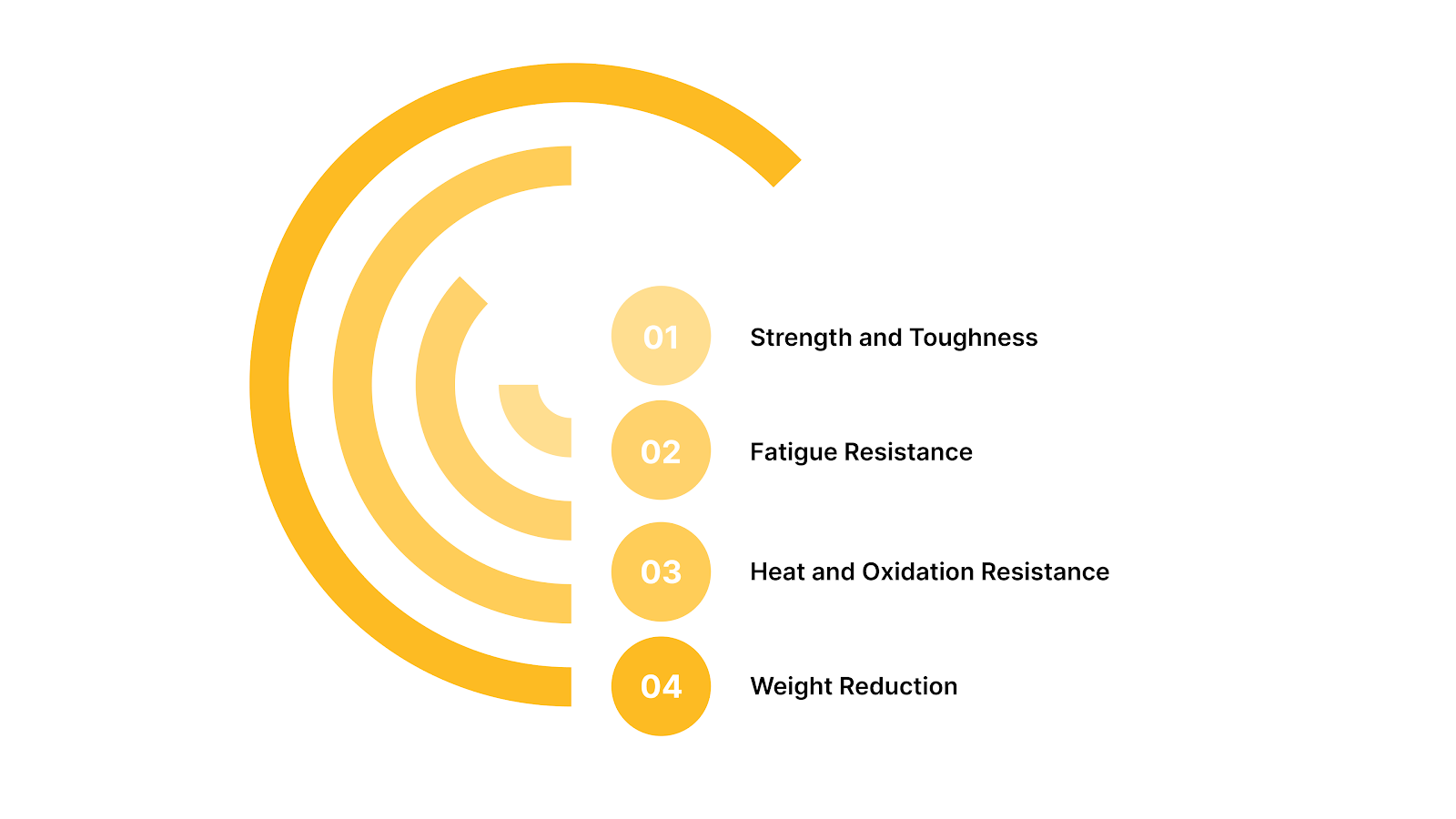
Strength and Toughness: Alloys must withstand extreme forces without breaking or deforming. They should maintain structural integrity under high-impact and high-stress conditions, especially during sharp turns or high-speed collisions.
Fatigue Resistance: Racing components are subject to repeated stress cycles. Alloys must resist fatigue and prevent failure from repeated loading and unloading, ensuring longevity and reliability through multiple races.
Heat and Oxidation Resistance: High temperatures in areas like engines and exhaust systems can weaken materials. Racing alloys need to withstand extreme heat without losing strength or oxidizing, ensuring consistent performance under pressure.
Weight Reduction: Lightness plays a critical role in acceleration and handling. High-performance alloys offer the strength-to-weight ratio needed to reduce vehicle weight without compromising structural strength, improving both speed and maneuverability.
By selecting alloys that meet these requirements, race teams can ensure optimal performance and safety on the track.
Understanding the performance needs of racing alloys helps determine where they can be most effectively applied in high-performance vehicles.
Functional Applications of High-Performance Alloys in Motorsports
In motorsport, the alloys used for critical components must combine strength, lightness, and resilience under extreme conditions. Below are some common applications where the right alloys make all the difference:
Axles: Axles need to handle extreme torque and stress. Alloys like chromoly steel are used for their excellent balance of strength and toughness, ensuring reliability under high pressure.
Bellows: Used in suspension systems, bellows require high flexibility and resistance to fatigue. Alloys like stainless steel are ideal for this due to their ability to resist corrosion while maintaining form under continuous movement.
Drive Shafts: These components must endure constant rotational stress. Titanium alloys or nickel-based alloys offer the perfect combination of strength-to-weight ratio and resilience for high-performance drive shafts.
Exhausts: High temperatures from engine exhaust gases require materials with thermal stability. Nickel superalloys, such as Inconel, are often used to prevent oxidation and degradation in extreme conditions.
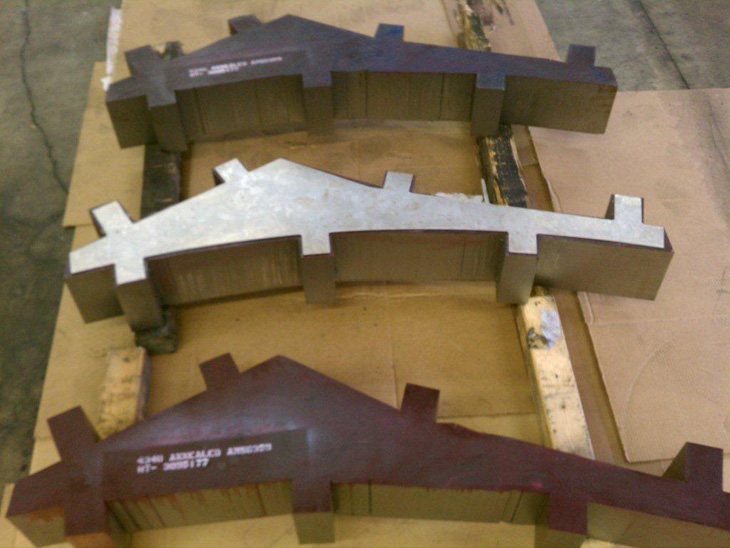
Gears: Gears are subjected to high torque and wear. Materials such as 4340 steel or other alloy steels are ideal, offering durability and resistance to wear in high-stress environments.
Wishbones: For suspension systems, wishbones need to be both lightweight and strong. Titanium alloys or high-strength steels are used for their low weight and ability to withstand heavy impacts.
These alloys are selected for their performance and ability to withstand the harsh conditions on the racetrack, ensuring that parts function optimally on every lap.
With those applications in mind, let’s take a closer look at the specific alloys that provide the strength and durability needed for top-tier racing.
Top Racing Alloys for Speed and Performance
Whether you're crafting engine components, chassis, or suspension systems, the right alloy is essential for ensuring optimal strength, weight, and durability. Here's a deeper look at the alloys that power high-performance race vehicles:
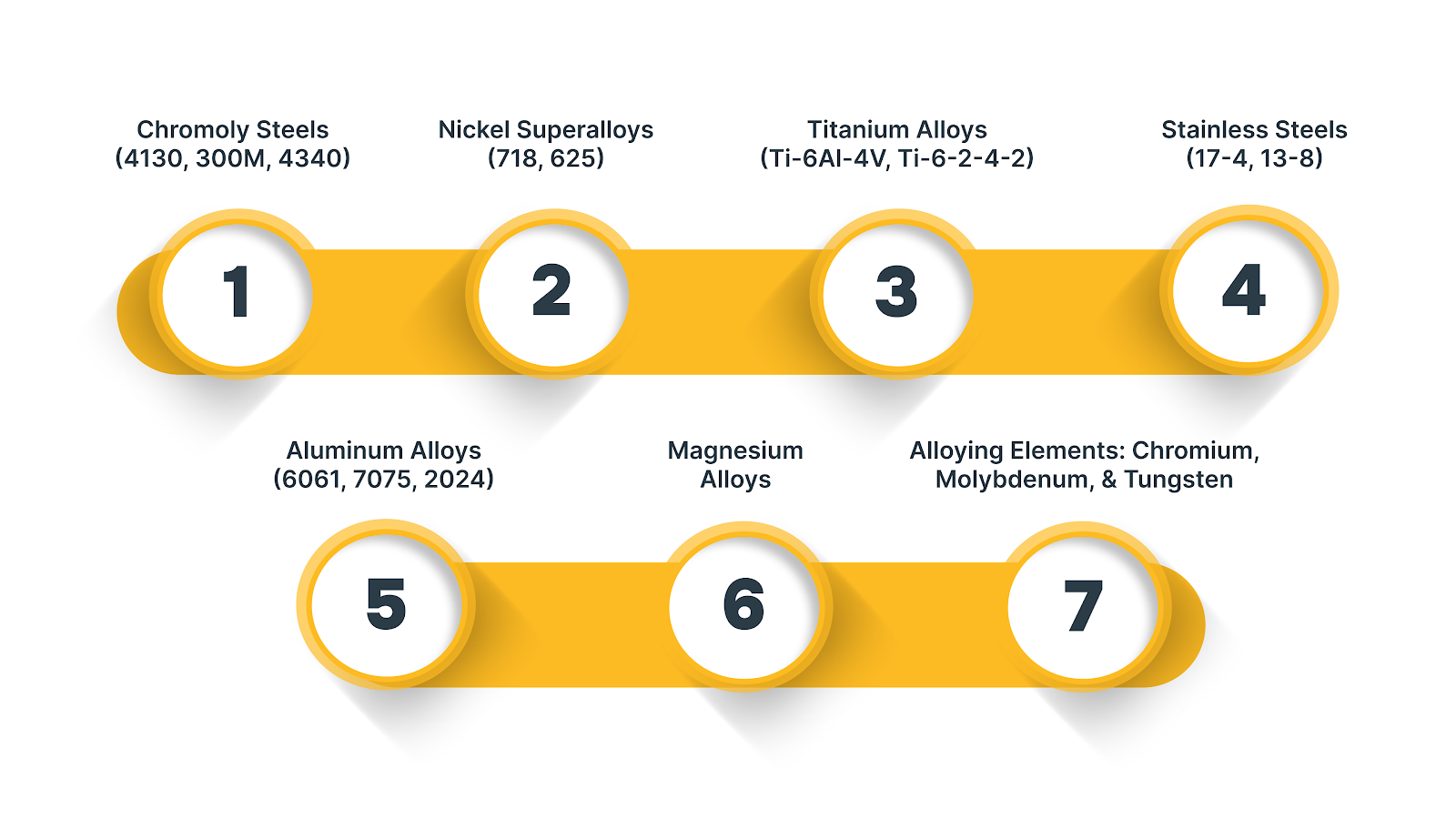
1. Chromoly Steels (4130, 300M, 4340)
Ideal for: Chassis, suspension components, and fasteners.
Key Benefits: Known for their excellent balance of strength and toughness, 4130, 300M, and 4340 alloys are incredibly fatigue-resistant and stress-tolerant.
Applications: Chromoly steels are often used in roll cages, frame tubes, and suspension parts in motorsport, providing strength without excessive weight.
2. Nickel Superalloys (718, 625)
Ideal for: High-performance engine components, turbochargers, and exhaust systems.
Key Benefits: Offering high strength and corrosion resistance at elevated temperatures, these alloys are perfect for parts exposed to extreme heat. Their oxidation resistance ensures durability, even in the most challenging conditions.
Applications: Commonly used in turbine sections of engines, exhaust manifolds, and high-heat components, superalloys are designed to withstand constant temperature fluctuations and high stress.
Key Benefits: Titanium offers an impressive strength-to-weight ratio, making it ideal for components that need to be both lightweight and strong. It also offers corrosion resistance and maintains toughness at high temperatures, which are essential for high-performance racing.
Applications: Widely used in F1 cars, brake rotors, and fasteners, titanium alloys reduce weight while maintaining strength, offering a significant advantage in racing where every gram counts.
4. Stainless Steels (17-4, 13-8)
Ideal for: Motorsport components exposed to heat and wear.
Key Benefits: Stainless steels like 17-4 and 13-8 are well-known for their corrosion resistance, heat resistance, and fatigue strength. These alloys are reliable and durable, ensuring performance under high stress and extreme temperatures.
Applications: Perfect for exhaust systems, fasteners, and pressure systems in racing, stainless steel alloys provide the necessary strength without compromising corrosion resistance.
5. Aluminum Alloys (6061, 7075, 2024)
Ideal for: Lightweight structural components and high-performance parts.
Key Benefits: 6061 offers great versatility, while 7075 is the hardest and most durable for high-stress applications, though harder to machine. 2024 is known for its high strength and is used where weight-saving is critical without sacrificing performance.
Applications: 6061 is common for general purpose projects, while 7075 and 2024 are used in aerospace components, suspension arms, and engine components.
6. Magnesium Alloys
Ideal for: High-performance, lightweight parts.
Key Benefits: Magnesium is one of the lightest metals, offering an excellent strength-to-weight ratio. Though it has limited use in heavy-duty applications, it excels in performance where weight is critical.
Applications: Used in endurance racing and karting, magnesium alloys are used for parts such as engine blocks and wheels, where lightness is key.
7. Alloying Elements: Chromium, Molybdenum, and Tungsten
Chromium: Enhances corrosion resistance and is found in chromoly steels.
Molybdenum: Adds strength and heat resistance, ideal for high-performance alloys.
Tungsten: Boosts heat resistance and toughness, making it a key element in high-strength steels used in racing applications.
By choosing the right racing alloys, you can ensure your vehicle performs at its best, withstands high stress, and keeps you ahead of the competition.
Aero-Vac Alloys & Forgesupplies high-performance alloy steels, titanium alloys, and nickel-based superalloys for racing chassis structures, suspension components, and high-temperature engine applications, with certified materials and value-added processing, including forging, heat treating, and precision cutting.
Now that you know which alloys deliver peak performance, here’s why Aero-Vac Alloys & Forge is your trusted source for these essential materials.
Why Choose Aero-Vac Alloys & Forge for Your Racing Alloy Needs?
AtAero-Vac Alloys & Forge, we supply a wide selection of racing alloys to ensure your high-performance race car components perform at their peak. Here’s how we deliver:
Chromoly Steels (4130, 4340, 300M): Ideal for chassis, roll cages, and suspension components. Our chromoly alloys strike the perfect balance between strength and toughness, making them perfect for high-stress racing environments.
Titanium Alloys (Ti-6Al-4V): Lightweight yet incredibly strong, titanium alloys are ideal for components where weight savings are crucial, like brake rotors and fasteners in F1 and motorsport applications.
Nickel Superalloys (718, 625): Built for extreme heat and corrosion resistance, these superalloys are perfect for turbochargers, exhaust systems, and engine components exposed to high temperatures.
Aluminum Alloys (7075): Offering excellent strength-to-weight ratios, our aluminum alloys are commonly used in lightweight structural components like engine blocks, suspension arms, and body panels.
Magnesium Alloys: For extreme weight-saving in karting and endurance racing, magnesium alloys are used in parts like wheels and engine blocks, providing excellent strength-to-weight performance.
Stainless Steels (17-4, 13-8): Known for their superior fatigue strength and corrosion resistance, stainless steels are perfect for high-performance parts exposed to heat and wear, such as exhaust systems and fasteners.
Custom Forgings and Value-Added Services: From custom forging to heat treating, we offer a full suite of value-added services to ensure your racing components are ready for competition.
Aero-Vac Alloys & Forge provides materials engineered for optimal strength, durability, and performance, ensuring your components excel on the track.
Conclusion
Choosing the right racing alloys is crucial for achieving peak performance and durability on the track. Whether you’re after lightweight strength with titanium alloys, exceptional fatigue resistance from chromoly steels, or high-temperature stability with nickel superalloys, the right material can make all the difference.
Aero-Vac Alloys & Forge delivers a range of racing-grade alloys that meet the highest standards of quality and precision. With a focus on certified quality materials, quick lead times, and value-added processing, we provide solutions that help you stay ahead in the highly competitive racing industry.
Contact us today to explore the alloys that will enhance your racing performance.
FAQs
1. What’s the difference between chromoly steel and titanium for racing?
Chromoly steel is strong and tough, making it ideal for roll cages and suspension components, while titanium alloys are lightweight and offer superior strength-to-weight ratios for fasteners.
2. Why use nickel superalloys in racing components?
Nickel superalloys like 718 and 625 excel in high-temperature environments, offering strength and corrosion resistance, making them ideal for turbochargers and exhaust systems.
3. What makes titanium alloys ideal for racing?
Titanium alloys like Ti-6Al-4V are lightweight, durable, and resistant to corrosion, offering strength at high temperatures; perfect for performance parts like fasteners and engine components.
4. How do aluminum alloys enhance racing performance?
6061 offers versatility, 7075 provides high strength for critical parts, and 2024 balances strength and lightness for structural components, all reducing overall weight.
5. How can Aero-Vac Alloys & Forge support my racing team?
Aero-Vac offers high-performance alloys like chromoly, titanium, and nickel superalloys with fast delivery, value-added processing, and certified materials.
Related articles
8 min read
How Stainless Steel Products Are Manufactured: A Detailed Process Guide
Learn how stainless steel products are manufactured, from raw materials and melting to forming, finishing, and quality checks used in industrial applications.
Steel Fabrication Quality Control: What Top Manufacturers Get Right
Learn how steel fabrication quality control works, from inspections and testing to traceability and process checks that reduce rework, delays, compliance risk.
Alloy Quality Control: How to Ensure Consistent Metal Performance
Learn the importance of alloy quality control in ensuring consistent metal performance. Discover techniques for maintaining alloy integrity in manufacturing.