Schedule a Call
Ready to Upgrade Your Process Operations?
Ready to Upgrade Your Process Operations?
Unlock the potential of aerospace metal cutting with advanced techniques. Discover laser, waterjet, and plasma cutting for lasting precision. Buy smarter.
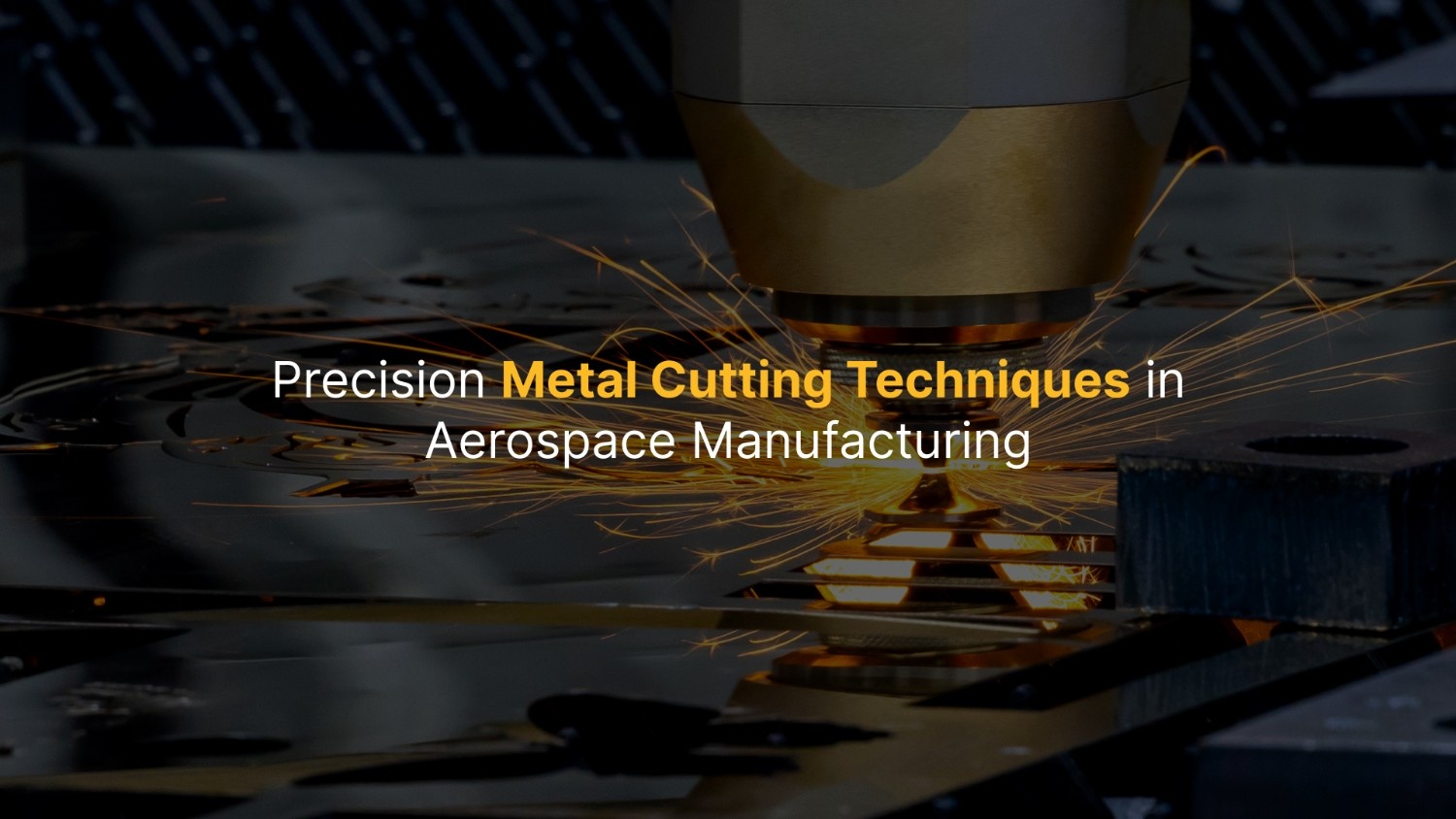
In aerospace manufacturing, even the smallest deviation in a cut can determine whether a component passes certification or fails under fatigue. Approximately 70% of aviation structural failures are attributed to fatigue, with fatigue cracks typically initiating at surface defects created during machining. This direct link between cutting precision and structural failure underscores why metal cutting in aerospace is fundamentally a safety function, not merely a manufacturing operation.
A single machining defect can ripple through an entire lifecycle, increasing rework, forcing scrap of high-value alloys, delaying assembly, or, in the worst cases, contributing to long-term structural failure. Every cut must therefore meet aerospace-grade quality requirements, because the consequences extend far beyond production schedules—they affect flight reliability and human safety.
This article examines the core metal cutting techniques used across aerospace manufacturing, explains their strengths and limitations, and outlines how the right cutting strategy, supported by an integrated, qualified supplier, reduces risk, controls cost, and strengthens the supply chain from raw material to final part.
Precision metal cutting is essential to ensure components meet strict mechanical properties and tolerances in aerospace manufacturing. Whether for aircraft or medical devices, the cutting method must preserve material integrity, ensure dimensional accuracy, and guarantee reliability.
In the aerospace industry, every component must withstand significant stress, temperature extremes, and frequent fatigue cycles. As such, aerospace manufacturers must choose cutting methods that not only meet tight tolerances but also align with the material’s specific characteristics, such as hardness, strength, and corrosion resistance.
Various cutting techniques are used, each selected to meet specific needs, from intricate geometries to tight tolerances. Let’s get into the details.
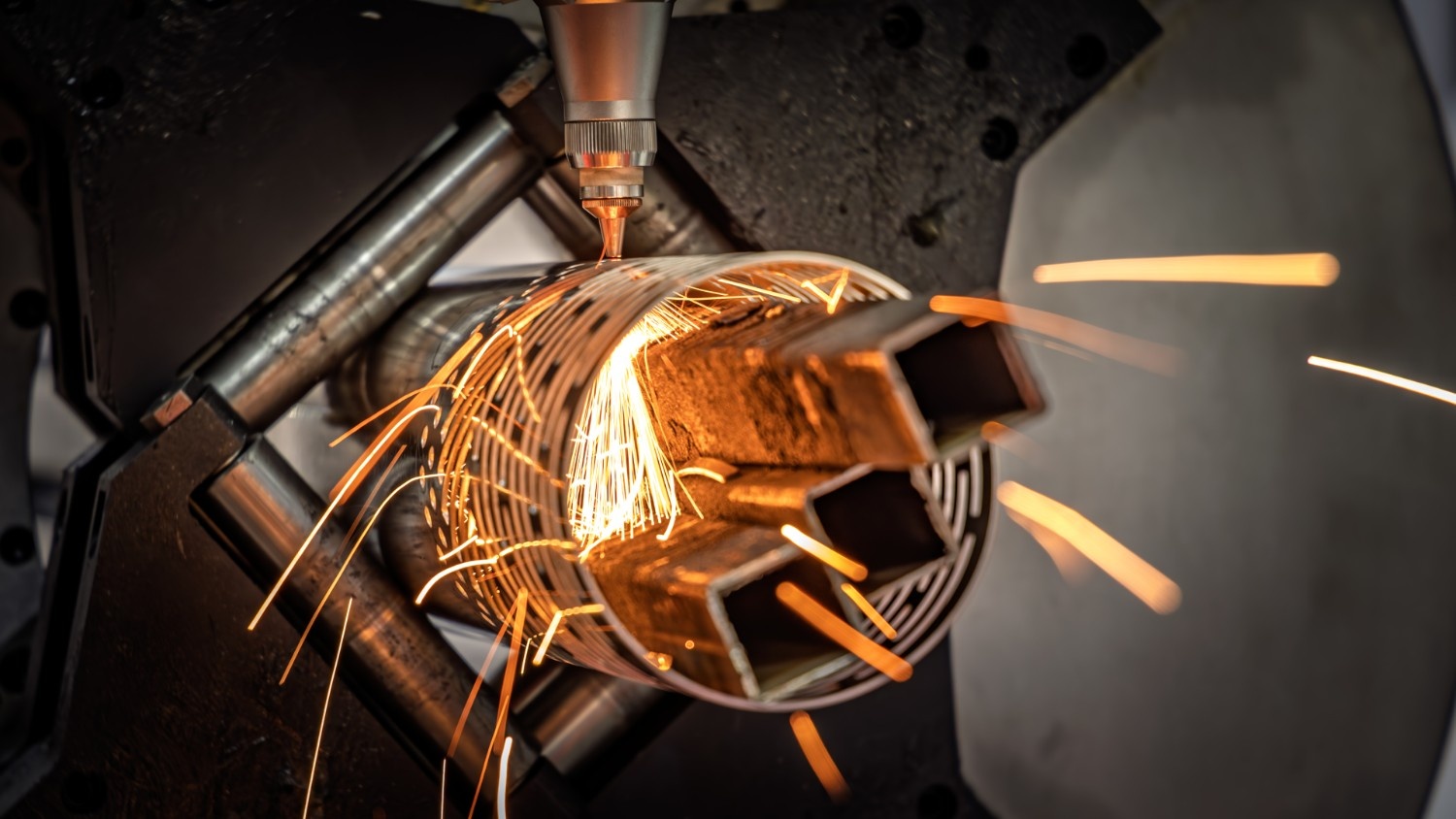
This section dives deeper into each cutting technique, discussing their strengths, challenges, and best-use scenarios in aerospace manufacturing.
Subtractive mechanical cutting methods are the backbone of aerospace metal fabrication, forming chips from the raw material to achieve the desired part geometry. Common methods include:
For titanium alloys, nickel-based superalloys, and stainless steels, which are commonly used in aerospace applications, these methods offer unmatched precision and reliability. CNC cutting is especially valuable for parts with tight tolerances (±0.0005 inches), which are critical for ensuring the functionality of components like landing gear, engines, and turbomachinery. These alloys often present challenges due to their hardness and tendency to work-harden, making CNC machining the preferred method over traditional cutting techniques.
When and why mechanical cutting is preferred:
Precision grinding is used when parts require an ultra-tight surface finish or dimensional accuracy that is beyond what conventional milling or turning can achieve.
When and why precision grinding & abrasive cutting are preferred:
Waterjet cutting and laser cutting are widely used for aerospace sheet and plate components. Waterjet cutting is a non-thermal, non-contact method that preserves metallurgical integrity, while laser cutting is a thermal process that delivers exceptional precision for thin-sheet geometries. Both have distinct advantages depending on material sensitivity, part geometry, and turnaround requirements.
When these methods are preferred:
Electrical Discharge Machining (EDM) is a precision cutting technique used in aerospace manufacturing when conventional cutting or grinding methods are unable to meet the geometry or material hardness constraints. While it’s not as commonly used as CNC machining or waterjet cutting, EDM plays a critical role in producing parts with intricate shapes or tight internal features that require high precision.
How EDM Works:
EDM removes material through electrical discharges (sparks) between the workpiece and an electrode. The material is eroded by these high-energy sparks, enabling it to cut through harder materials or complex shapes that would be difficult or impossible to achieve using traditional machining methods.
Although EDM avoids the bulk thermal distortion seen in laser or plasma cutting, it is still a thermal process. Each discharge melts and vaporizes a tiny amount of metal, creating a shallow heat-affected zone (HAZ) and a recast (white) layer with altered microstructure. This layer may contain micro-cracks, so aerospace components typically require post-processing, such as polishing, etching, or light machining, to remove or reduce them.
When EDM is Preferred:
With an understanding of EDM and its role in cutting hard materials and complex geometries, let’s now turn our focus to the technical and procurement implications of cutting method choices in aerospace and how to optimize material selection and cutting strategies for efficiency and compliance.
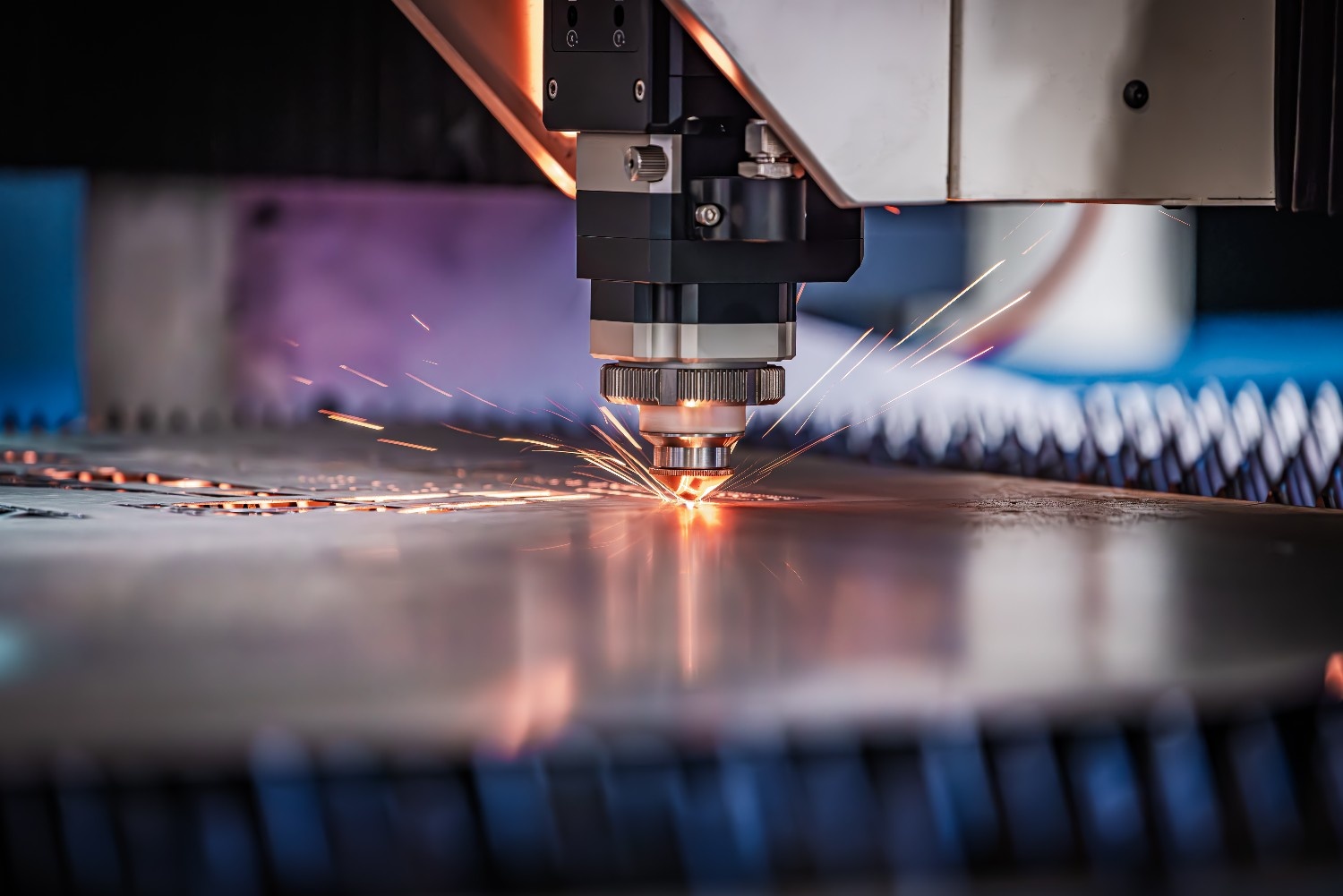
The choice of cutting method affects both the technical performance and material integrity of aerospace components, as well as cost-efficiency, supply chain stability, and lead times. Understanding the trade-offs between cutting methods is essential for meeting production schedules, ensuring quality, and controlling costs.
Thermal methods like laser cutting, plasma cutting, and EDM can cause heat-affected zones (HAZ), which alter the microstructure and compromise material properties. This is especially problematic for critical aerospace parts.
For heat-sensitive alloys such as titanium and nickel-based superalloys, non-thermal methods like waterjet cutting and CNC milling are preferred, as they maintain material integrity without heat-related damage.
Tight tolerances and smooth surface finishes are crucial for aerospace components like engine parts, landing gear, and structural components. These factors impact the fatigue life and performance of critical parts.
Methods like CNC machining and EDM ensure high precision, reducing scrap and rework. However, for complex geometries or multi-feature parts, multi-axis CNC or EDM may be required. These should be balanced with tooling costs and material waste.
Aerospace alloys like titanium and nickel-based superalloys are costly, so reducing waste and maximizing material utilization is critical for cost control.
By optimizing material use, manufacturers can reduce material procurement costs and downstream machining, leading to more cost-effective production.
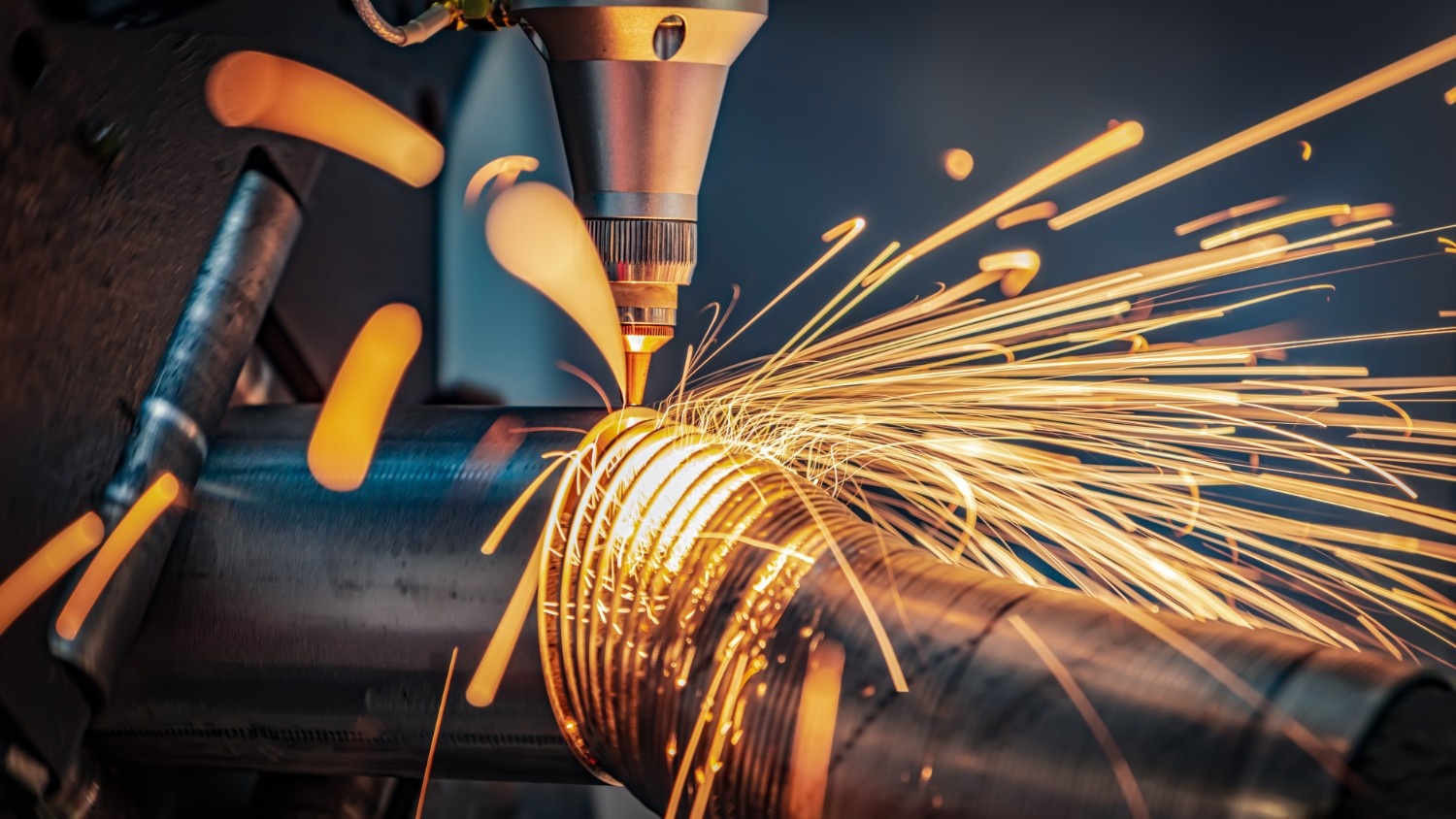
To ensure performance, cost-efficiency, and compliance, aerospace manufacturers must carefully choose cutting methods for different materials and components. A strategic approach to cutting, along with early planning and material traceability, can help achieve precision, reduce costs, and minimize supply chain delays.
Choosing the right cutting method based on material and final use is essential for precision and material integrity. It ensures that parts meet performance requirements and cost-effectiveness.
Specifying geometry and tolerances early in the design process allows manufacturers to select the most efficient cutting method, preventing unnecessary complexity and costs.
Material traceability ensures compliance with aerospace standards and helps meet quality assurance and audit requirements.
Using near-net-shape parts or pre-forged blanks reduces machining time, material waste, and scrap.
Even the best cutting strategy falls short without a supplier who can deliver certified material, precision processing, and reliable lead times. That’s why the role of an integrated supplier becomes critical.
When choosing a supplier for aerospace-grade alloys and custom forgings, the benefits of working with an integrated supplier like Aero-Vac Alloys & Forge cannot be overstated. Aerospace manufacturing is a high-stakes environment where precision, reliability, and speed are non-negotiable. By providing a comprehensive, single-source solution, Aero-Vac integrates material supply and value-added processing in-house, reducing lead times, mitigating risk, and simplifying the procurement process.
Aero-Vac maintains a broad inventory of aerospace-grade alloys, including titanium, nickel-based superalloys, stainless steels, and alloy steels, ensuring quick access to materials for mission-critical components.
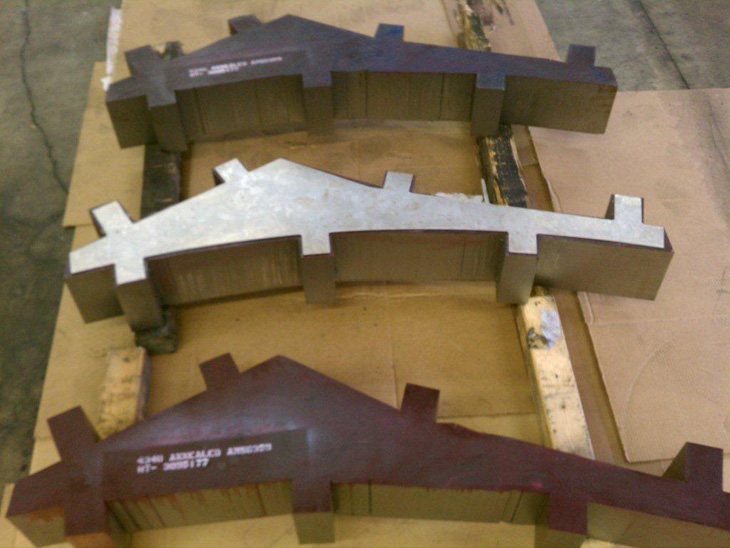
Unlike brokers, Aero-Vac performs value-added processing in-house, including:
This integrated workflow reduces hand-offs, minimizes transport delays, and ensures parts arrive closer to final geometry, lowering machining time, scrap, and cost.
Aero-Vac’s materials are fully traceable to mill test reports, ensuring compliance with AS9100D and ISO 9001 standards. This traceability is essential for industries like aerospace, where material integrity and regulatory compliance are non-negotiable.
By meeting OEM standards like AMS and MIL-STD, Aero-Vac ensures manufacturers have the confidence that materials meet safety and performance requirements.
By supplying near-net-shape parts and pre-cut blanks, Aero-Vac reduces machining time, scrap, and rework, lowering overall cost-in-use. Faster fulfilment (2-4 weeks for custom orders vs. 8-12 weeks from traditional suppliers) ensures on-time delivery and minimizes operational downtime, which is crucial for industries reliant on just-in-time manufacturing.
Cutting technique is not a minor manufacturing detail but rather a strategic decision that directly affects component performance, lifecycle cost, production reliability, and compliance. For the aerospace sector, where failure is not an option, precision metal cutting must be guided by metallurgical integrity, tolerance discipline, and supply‑chain robustness.
Working with a vertically integrated, certified supplier like Aero‑Vac Alloys & Forge ensures you get traceable, aerospace-grade material processed to near‑net-shape and delivered on time. This approach reduces risk, cuts scrap, and accelerates time-to-production.
Ready to secure a reliable source for your next mission‑critical part? Contact Aero‑Vac today to request a certified quote for aerospace‑grade blanks or near‑net-shape forgings.
1. What cutting methods are considered “aerospace metal cutting”?
Processes such as CNC milling, turning, grinding, 5‑axis machining, waterjet cutting, laser cutting, EDM, and precision grinding—chosen based on material type, geometry, and tolerance requirements.
2. Why avoid thermal cutting (like laser or plasma) for titanium or nickel‑based alloys?
Thermal cutting can introduce a heat-affected zone (HAZ), altering the microstructure and inducing residual stress, which may degrade fatigue life or corrosion resistance. For critical aerospace applications, non‑thermal or controlled mechanical removal is often preferred.
3. How does near‑net-shape cutting or blank supply reduce manufacturing cost?
By supplying pre‑cut or forged blanks close to final geometry, machining time, scrap, and operator hours are drastically reduced, improving first-pass yield and lowering total cost-in-use.
4. What documentation should I demand for an aerospace-grade metal supply?
Ask for mill test reports, full traceability, batch/lot numbers, and certifications compliant with standards such as AS9100D / ISO 9001. This ensures audit-readiness and quality assurance for critical parts.
5.Can a single supplier handle both alloy supply and the required cutting/processing for aerospace parts?
Yes, especially when the supplier is a manufacturing distributor (not a broker), with in-house capabilities for cutting, forging, heat treatment, and finishing. This reduces vendor complexity and shortens lead time while ensuring material traceability and quality consistency.