Schedule a Call
Ready to Upgrade Your Process Operations?
Ready to Upgrade Your Process Operations?
Explore how alloying elements effect steel hardenability, improving strength, toughness, and fatigue resistance for critical applications.
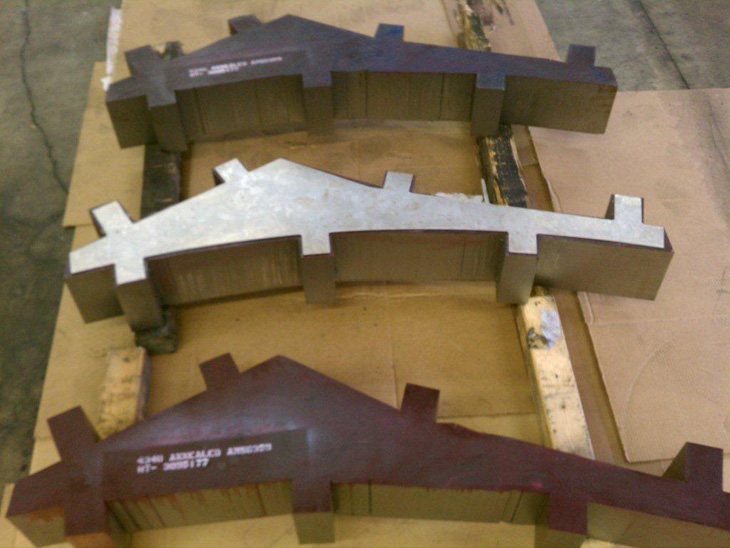
Material delays and performance issues can quickly disrupt projects and increase costs. In aerospace, defense, and medical manufacturing, these challenges are often tied to material selection, where choosing an unsuitable steel alloy can result in reduced strength, fatigue-related failures, and costly rework or recalls.
Steel hardenability plays a critical role in avoiding these outcomes, particularly in components exposed to high stress and demanding service conditions.
In this blog, you’ll explore how alloying elements influence steel hardenability and how informed material selection helps improve reliability, reduce risk, and support consistent performance in critical applications.
Steel hardenability plays a critical role in delivering reliable performance under stress, especially in demanding industries like aerospace and defense. The choice of alloying elements directly influences how well steel retains strength, toughness, and resistance to failure during service.
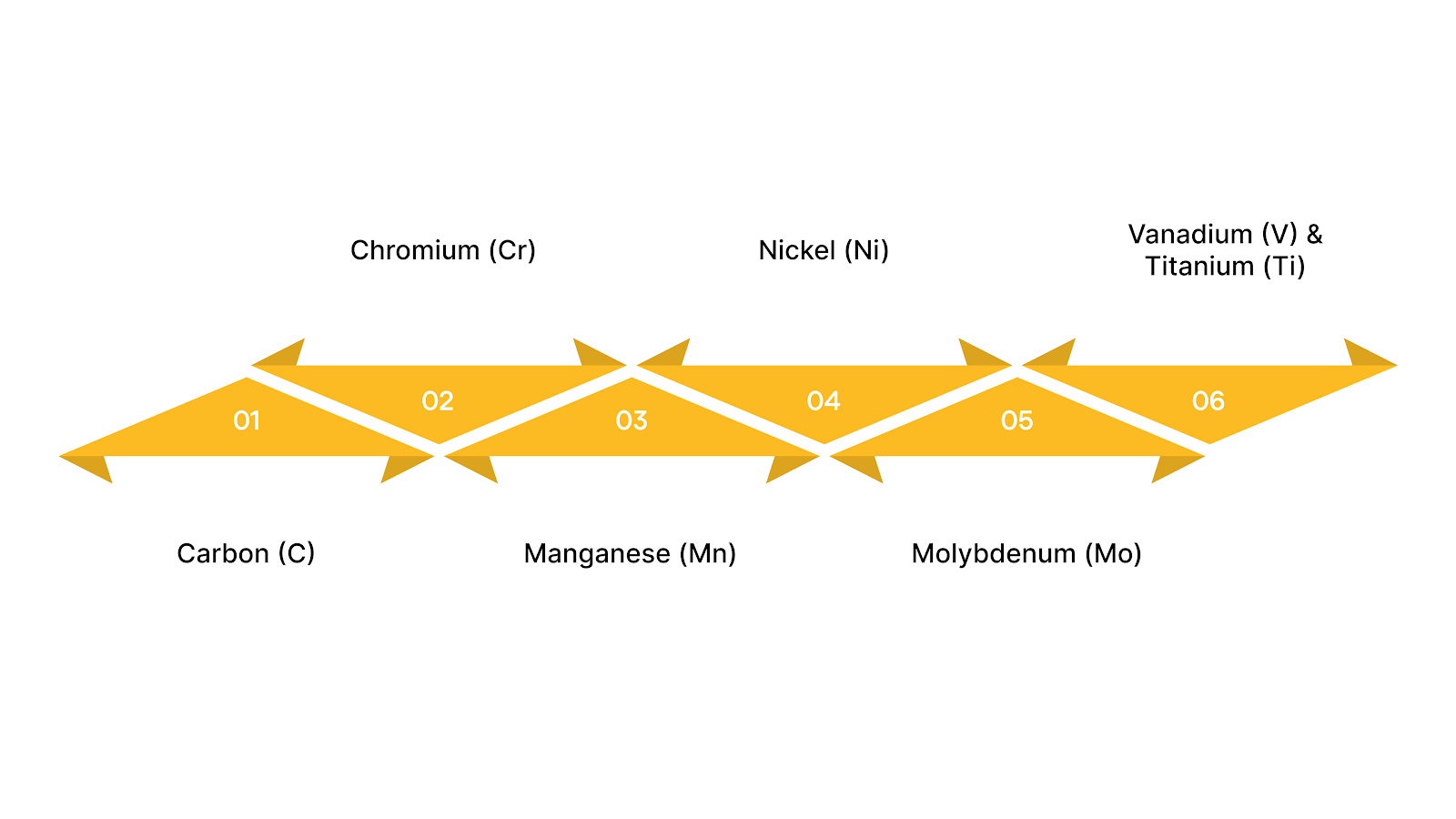
Carbon is the primary element effecting hardenability, as it influences martensite formation during quenching. While higher carbon levels increase hardness, excessive carbon can reduce toughness and increase the risk of cracking under dynamic loads.
Chromium improves hardenability by allowing martensite to form at slower cooling rates, resulting in more uniform hardening through the material. It also improves corrosion resistance in high-temperature or aggressive environments.
Manganese promotes the transformation of austenite to martensite, improving both hardenability and toughness. It helps limit brittle phase formation during quenching and supports consistent hardness during heat treatment.
Nickel enhances low-temperature toughness and helps retain strength at elevated temperatures. It also improves hardenability at slower cooling rates, making it suitable for parts exposed to thermal cycling.
Molybdenum improves performance in high-temperature conditions by increasing resistance to creep and fatigue. It also supports hardenability and dimensional stability during prolonged thermal exposure.
Vanadium refines grain structure to improve strength and wear resistance, while titanium enhances oxidation resistance and thermal stability. Together, they improve fatigue and creep resistance under sustained stress.
Are you struggling to source reliable, high-performance stainless steel and alloys for critical projects? Aero-Vac provides certified, fully traceable specialty metals, giving you confidence in material quality for your needs.
With an extensive inventory and fast turnaround, Aero-Vac serves aerospace, defense, and medical industries, supplying materials engineered for precision and demanding applications.
Once you understand the impact of alloying elements, it becomes easier to see how heat treatment can improve steel’s hardenability.
Achieving the right level of hardenability in steel is essential for reliable performance under stress, fatigue, and extreme conditions. While alloying elements influence this behavior, heat treatment is the key process that enables steel to reach its intended hardenability.
Here’s a breakdown of how heat tre
Once you see how heat treatment improves hardenability, it’s helpful to look at strategies for selecting the right alloying elements to maximize those effects.
Choosing the right alloying elements is essential for ensuring steel performs reliably under high stress and fatigue in high-stress environments.
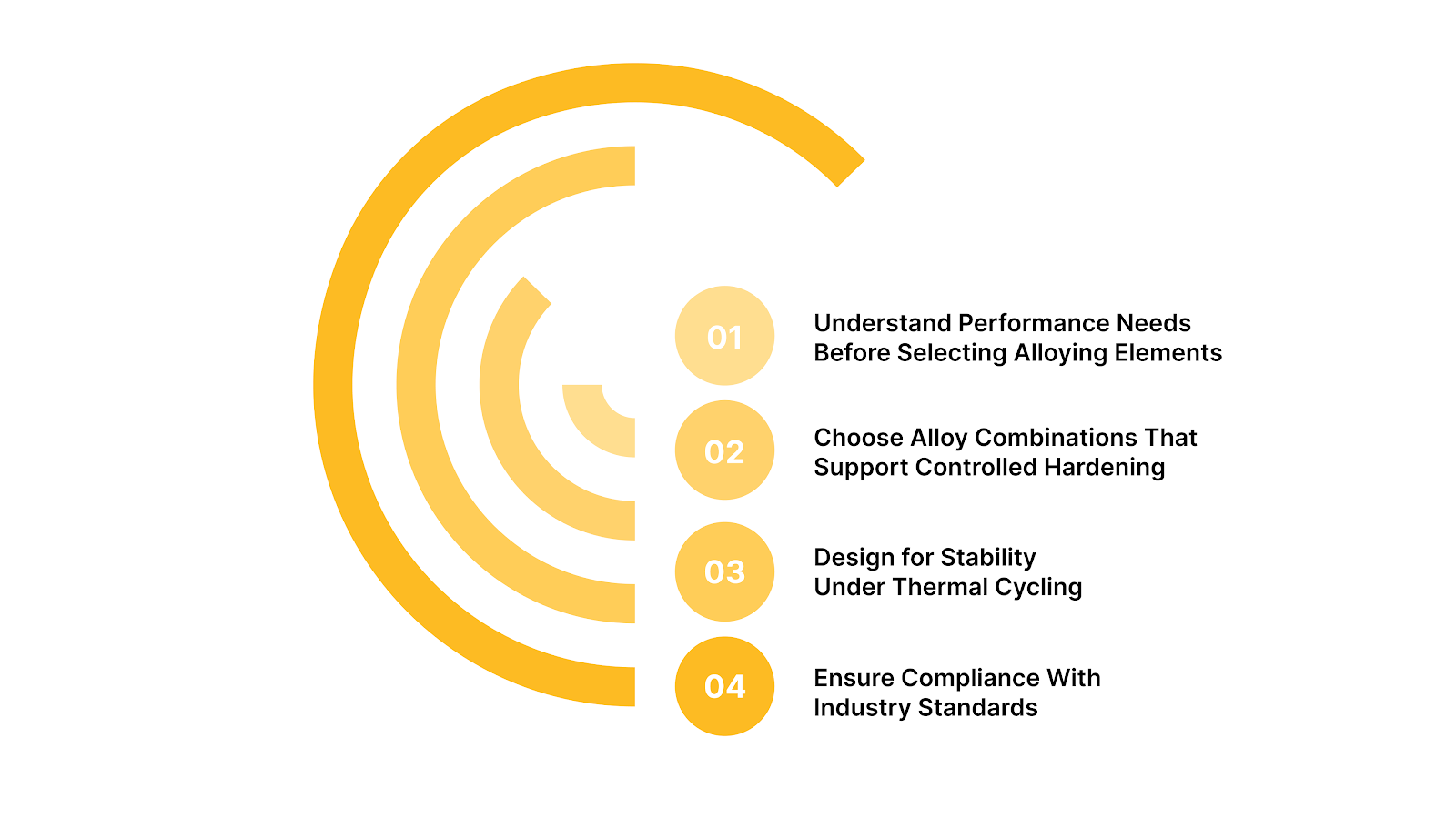
Understanding how these elements improve hardenability helps optimize material performance while meeting demanding operational requirements. Below are the expert strategies for choosing the right alloying elements.
Start by clearly defining what the part must do in service. Knowing the required balance between hardness, toughness, and fatigue resistance makes alloy selection more precise and effective.
How to Implement:
Focus on alloying combinations that allow predictable hardening during quenching and tempering without sacrificing toughness.
How to Implement:
Improve resistance to creep and thermal degradation by choosing elements that support long-term stability under repeated heating and cooling.
How to Implement:
Confirm alloy selections meet required industry standards to support safety, reliability, and traceability.
How to Implement:
Once you understand the strategies for selecting the right alloying elements, you can see why partnering with Aero-Vac helps meet stainless steel and alloy requirements.
Aero-Vac supplies high-performance specialty metal alloys for industries where material quality, traceability, and reliability are essential, including aerospace, defense, and medical manufacturing. With certified materials and efficient turnaround times, Aero-Vac helps reduce supply chain risk while meeting strict industry requirements.
What Aero-Vac Offers:
Ready to move forward? Explore Aero-Vac’s Forging-Grade Alloys & Metals to ensure your materials meet demanding performance and reliability standards.
Selecting the right alloying elements is key to ensuring steel delivers reliable performance under stress, particularly in high-stress environments. Optimized hardenability provides the durability, strength, and fatigue resistance needed in demanding environments.
Aero-Vac Alloys & Forge supplies certified, high-performance alloys with fast turnaround and consistent quality. Our broad inventory and custom processing options make sure you get the materials you need, exactly when you need them.
Looking for high-quality, traceable materials for your next project? Reach out for a custom quote or explore Aero-Vac’s premium alloys and specialized services.
Q1. How do alloying elements influence long-term steel performance in high-stress environments?
A1. Alloying elements such as chromium, manganese, and nickel improve fatigue, creep, and corrosion resistance. These properties help steel maintain structural integrity in demanding aerospace and defense applications, even under extreme operating conditions.
Q2. What is the difference between quenched and tempered steel, and when is each used?
A2. Quenching rapidly cools steel to increase hardness, but it can also increase brittleness. Tempering follows quenching to reduce brittleness and improve toughness, making tempered steel better suited for components like turbine blades that require strength and fatigue resistance.
Q3. Why is uniform hardenability important for thick or complex steel components?
A3. Uniform hardenability ensures consistent mechanical properties throughout the component. This reduces internal stress, distortion, and the risk of fatigue-related failures in thick or load-bearing parts.
Q4. What role do alloying elements play in cryogenic applications?
A4. Nickel and manganese improve toughness and reduce the risk of embrittlement at very low temperatures. These elements are critical for components exposed to extreme thermal cycling, such as cryogenic engine parts and turbine components.
Q5. How does the cooling rate interact with alloying elements during heat treatment?
A5. Alloying elements slow down phase transformations, allowing martensite to form even at slower cooling rates. This makes heat treatment more controllable and reduces the risk of cracking or distortion.