How to Successfully Drill Hardened Stainless Steel: Pro Techniques

Learn to drill hardened stainless steel with top techniques! Choose the right drill bit, set speed and pressure, use cutting fluids. Click for more!
How to Successfully Drill Hardened Stainless Steel: Pro Techniques

ON THIS PAGE

Your one-stop metals shop offering value-added services on time!
Thank you! Your submission has been received!
Oops! Something went wrong while submitting the form.
Trusted by 100+ Growth Leaders.

Drilling hardened stainless steel without the right technique or tooling almost guarantees broken bits, damaged parts, and costly delays. 

For Manufacturing Engineers and shop leads working with alloys like 17-4PH or high-strength martensitic grades, the combination of high hardness, tensile strength, and poor thermal conductivity creates significant machining challenges. 

Incorrect speeds and feeds quickly generate excess heat, causing surface work-hardening that makes drilling even more difficult.

Success requires a precise, methodical approach, optimized tool geometry, controlled speed and feed settings, and rigid workholding. This guide outlines the professional techniques needed to drill hardened stainless steel reliably while minimizing tool wear and preserving part integrity.
Key Takeaways

  • The secret to drilling hardened stainless steel is using low surface speed (RPM) to manage heat and high, constant feed pressure to ensure the drill cuts beneath the work-hardened layer without rubbing.
  • Solid carbide or premium M42 cobalt drills with a 135° split point and a TiAlN coating are mandatory. Use the shortest possible tool stick-out to maximize rigidity and prevent chatter.
  • The workpiece must be rigidly clamped to prevent vibration. Use a heavy-duty, sulphur-chlorinated cutting oil applied as a continuous flood to remove heat effectively and prevent thermal shock to the tool tip.

Material and Tooling Selection

Material and Tooling Selection

Success in drilling hardened stainless steel begins long before the spindle starts turning, relying heavily on the initial material and tool selection.

1. Understanding Hardened Stainless Alloys

"Hardened" typically refers to stainless grades that achieve high strength through heat treatment, such as Martensitic (e.g., 440C) or Precipitation-Hardening (PH) grades (e.g., 17-4PH).

  • Machinability Challenge: These alloys present a low thermal diffusivity. Heat generated at the cutting edge does not dissipate quickly into the workpiece, meaning nearly all the heat is concentrated on the drill bit, leading to rapid softening and dulling.
  • The Work-Hardening Trap: Slow spindle speeds or insufficient feed rates create rubbing rather than true cutting. This friction work-hardens the surface layer, making the material harder than the drill bit and stalling the operation.

2. Choosing the Optimal Drill Bit Material

Traditional High-Speed Steel (HSS) bits are insufficient for drilling hardened stainless steel. You must step up to specialized materials designed to withstand high temperatures and abrasion.

  • Cobalt (M42): Cobalt HSS bits (containing 8% cobalt, M42 grade) offer vastly improved heat resistance and hardness compared to standard HSS. They are excellent for continuous drilling in medium-hard stainless grades.
  • Solid Carbide: For the hardest precipitation-hardening alloys and high-volume production, solid carbide drills are mandatory. Their superior rigidity and extreme hardness allow for much faster surface speeds and feed rates, which is counter-intuitively key to success in preventing work hardening.
  • Coatings: Look for high-performance coatings like TiAlN (Titanium Aluminum Nitride). These coatings increase the tool's hot hardness and lubricity, crucial for high-temperature drilling in stainless steel.

3. Drill Geometry: The 135° Split Point

The geometry of the drill point is crucial for aggressive cutting and chip management in stainless steel.

  • Point Angle: Use a 135-degree point angle. This shallower angle allows the cutting force to be distributed over a wider area, prolonging tool life.
  • Split Point Design: A split point (or self-centering) design is essential. It eliminates the need for a center punch and prevents the bit from "walking" on the hard, slick surface, reducing initial deflection and subsequent bit breakage.
  • Flute Design: Utilize short, wide flutes with a highly polished finish. This facilitates aggressive chip evacuation, preventing re-cutting chips, which causes excessive heat and tool wear.

With the correct tooling secured, the focus shifts to optimizing machine parameters: speed, feed, and cooling.
Parameter Optimization and Pro Techniques

Parameter Optimization and Pro Techniques

Successful drilling of hardened stainless steel requires applying high pressure at a calculated, relatively slow surface speed.

Speed and Feed Rate Control

The goal is to generate a thick, tightly curled chip quickly, evacuating the heat with the chip before it can transfer to the material.

  • Low Surface Speed: Stainless steel must be drilled at slow surface speeds (low RPM) compared to carbon steel. Excessive speed is the primary cause of overheating and work hardening. Consult drilling charts, but expect speeds to be 30–50% lower than for standard mild steel.
  • High Feed Rate (Aggressive Pressure): The feed rate must be aggressive and constant to ensure the drill is always cutting new material, penetrating beneath the work-hardened surface layer. Do not allow the bit to rub. The chip should be thick and dark brown or blue, indicating heat is exiting the cut.
  • Peck Drilling Caution: While necessary for deep holes, peck drilling must be executed carefully. Ensure the drill always re-engages the cut aggressively, penetrating below the previously cut layer to avoid hardening the surface between pecks.

Work-holding and Rigidity

Chatter and vibration are instant killers of tool life when drilling hardened stainless steel.

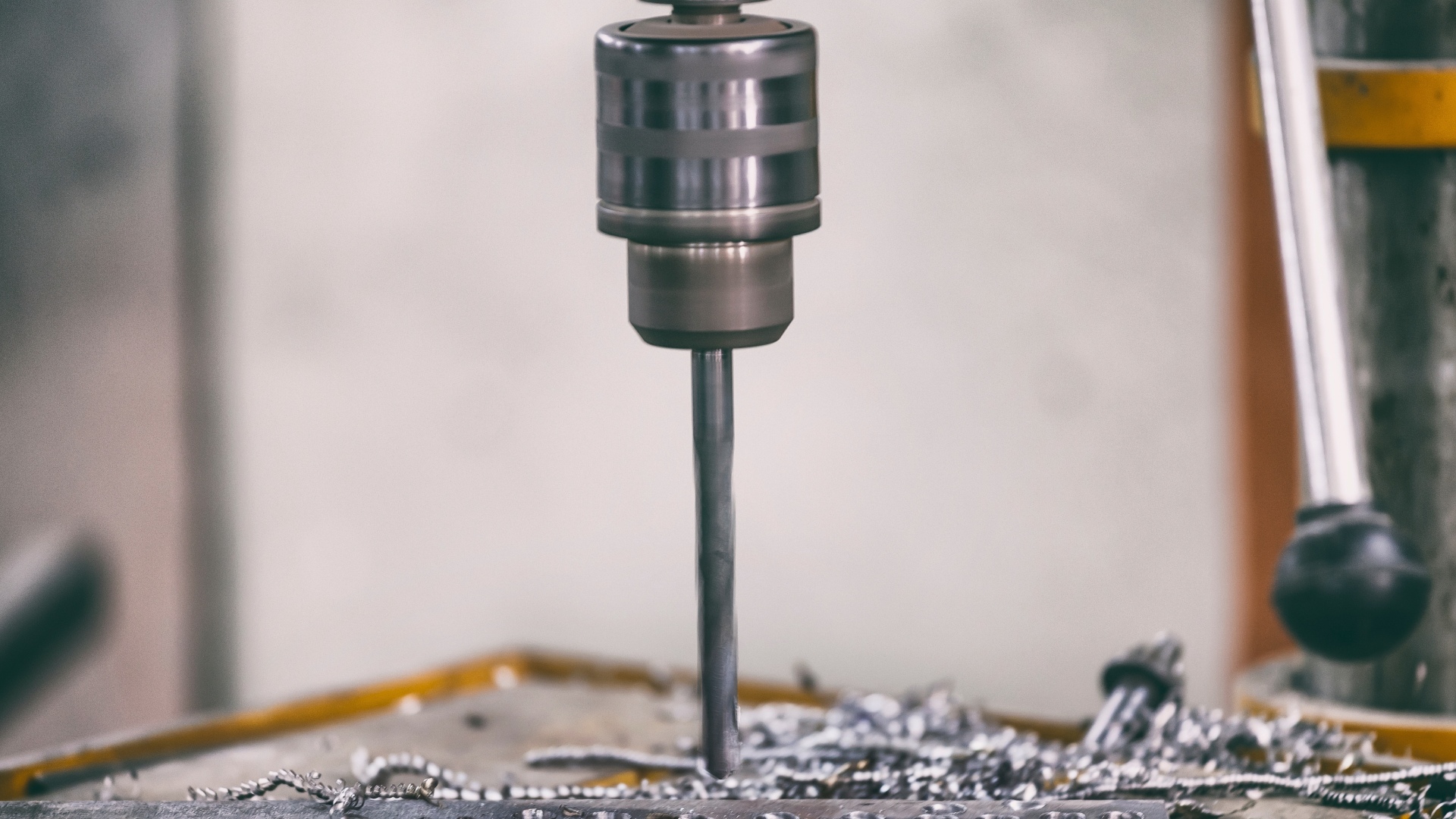
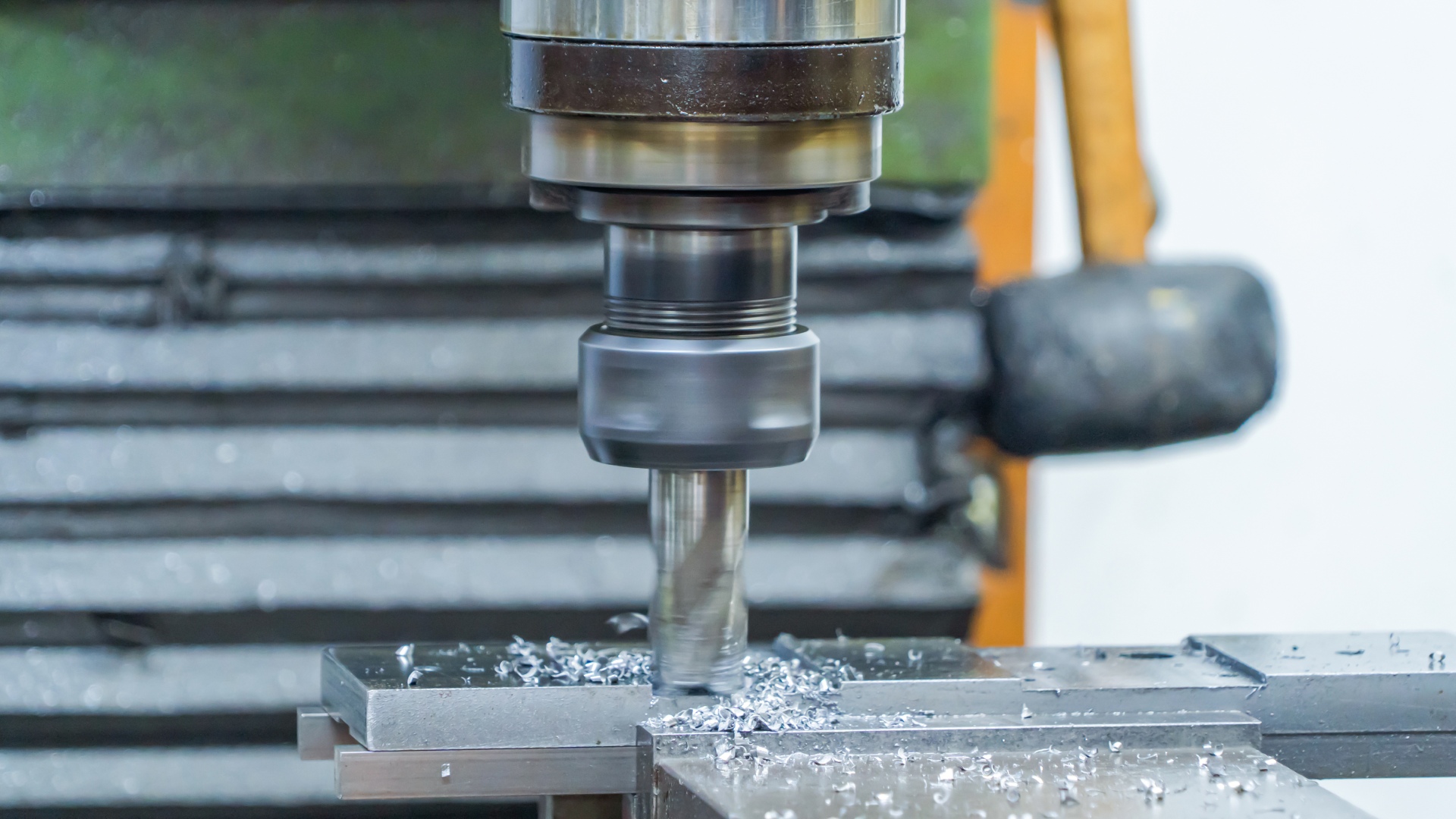
  • Absolute Rigidity: The workpiece must be clamped in a rigid vise or fixture, preferably on a drill press or CNC mill, not a hand drill. The setup must absorb all cutting forces without movement.
  • Short Tool Stick-Out: Use the shortest possible drill bit to minimize deflection. Consider using stub-length (screw machine) solid carbide drills for maximum rigidity and stability.

Cutting Fluids and Cooling Strategy

Coolant is essential for heat management, but the type and application method are critical.
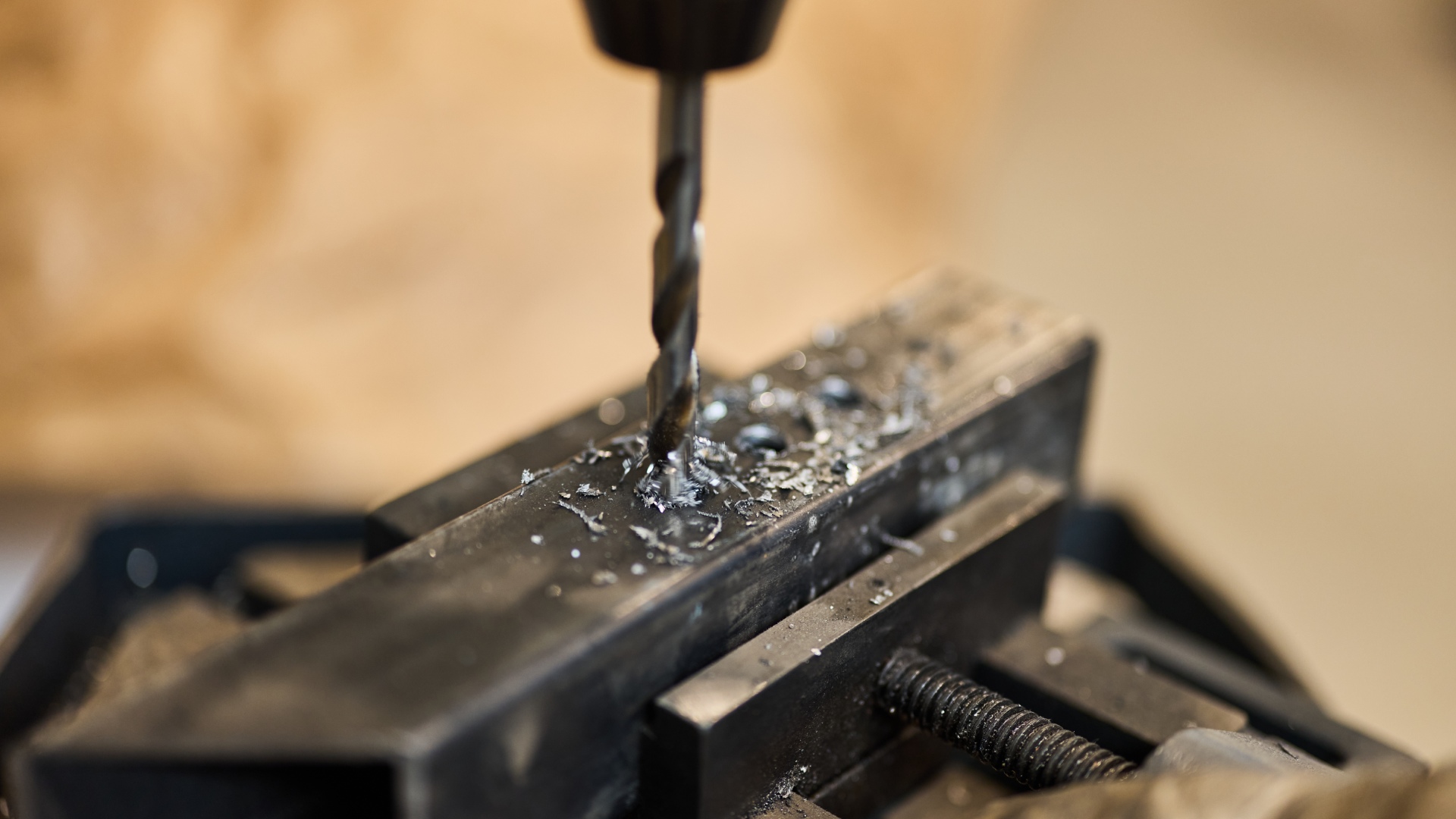
  • Sulphur-Chlorinated Oil: Use a heavy-duty, high-lubricity sulphur-chlorinated cutting oil or a water-soluble coolant with extreme pressure (EP) additives. These fluids are superior to standard machine coolants for stainless steel.
  • Continuous Flow: Apply the coolant as a continuous, generous flood directed precisely at the cutting edge to maximize heat removal. Allowing the tool to momentarily run dry and then cooling it with fluid will create a thermal shock, leading to micro-fractures and chipping of the carbide tip.

Mitigating Risk and Streamlining Machining

For specialized high-performance components, pre-processing and material knowledge are vital to minimize scrap and maximize machining efficiency.

Pre-Machining and Material Sourcing

The condition of the material received greatly influences the difficulty of the drilling operation.

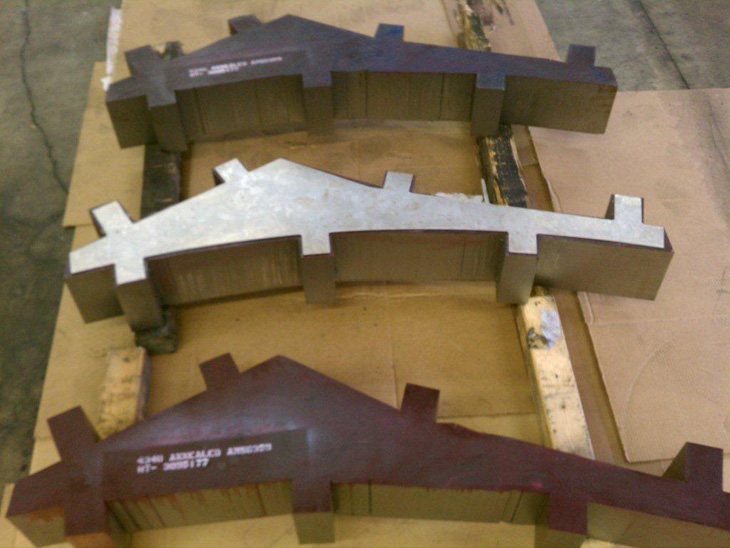
  • Near-Net-Shape Blanks: Drilling into rough, scaled, or flame-cut surfaces increases tool wear. Starting with a rough-machined blank or a near-net-shape forging from a quality supplier ensures you are cutting into clean, known material, preventing surface irregularities from prematurely destroying the cutting edge.
  • Heat Treat Condition: Be aware of the specific heat treatment condition of the material. For example, some PH grades are more machinable in the solution-treated (annealed) condition and are then hardened after drilling and machining. 

Aero-Vac Alloys & Forge provides certified materials fully traceable to their Mill Test Reports, ensuring you know the exact hardness and condition before you commit to tooling.

Procuring Quality Materials

The integrity of the material itself is the foundation of successful machining.

  • Certified Quality: Source Stainless Steel alloys from a certified supplier like Aero-Vac Alloys & Forge (AS9100D certified). This guarantees the material is homogeneous, free of excessive inclusions, and meets the exact chemical and mechanical specifications (e.g., AMS 5643 for 17-4PH) necessary for predictable machining performance. Inconsistent material properties lead to unpredictable tool life.
  • Custom Fabrication Services: Utilize Aero-Vac’s value-added services, such as saw cutting or custom open die forging, to receive material in the perfect size and form factor, reducing the amount of stock removal required on your expensive CNC equipment.

Conclusion

Mastering drilling hardened stainless steel is a necessity in mission-critical fabrication, where material integrity cannot be compromised. The successful approach relies not on sheer power, but on the careful selection of solid carbide tooling, the precise control of low RPMs paired with aggressive feed rates, and strict adherence to cooling protocols. 

By eliminating the rubbing that causes work hardening, you preserve tool life and guarantee a clean, precise hole. For Manufacturing Engineers, this technical mastery must be paired with supply chain confidence. 

Partnering with a certified supplier like Aero-Vac Alloys & Forge, which provides traceable, near-net-shape Stainless Steel alloys, mitigates risk and ensures your high-performance materials are ready for efficient processing.

Stop risking tool failure on questionable stock.

Request a certified quote for high-strength Stainless Steel (e.g., 17-4PH) and specialty alloys. Contact Aero-Vac Alloys & Forge today to discuss your custom near-net-shape requirements, ensuring the material you receive is certified, fully traceable, and optimized for your most demanding machining processes.

Frequently Asked Questions (FAQs)

1. Why does my drill bit keep dulling instantly when drilling hardened stainless steel?

The primary reason is work hardening. If the feed rate (pressure) is too low or the speed (RPM) is too high, the drill rubs the surface instead of cutting. This friction rapidly generates heat, causing the stainless steel to harden instantly, making subsequent drilling impossible.

2. Should I use an HSS bit or a Cobalt bit for hardened stainless?

You should use a Cobalt (M42) bit as a minimum. Cobalt bits maintain their hardness at higher temperatures, which is critical because stainless steel has low thermal conductivity and retains heat in the cut. For the hardest alloys, a solid carbide drill is necessary.

3. What is the ideal point angle, and why is a split point important?

The ideal point angle for stainless steel is typically 135 degrees. The split point design is crucial because it provides two small cutting edges at the center, acting as a self-centering mechanism. This prevents the bit from walking on the hard surface, allowing for aggressive penetration without the need for a center punch.

4. Is it better to drill faster or slower when drilling hardened stainless steel?

You should use a slow surface speed (low RPM) but a high feed rate (aggressive pressure). The slow speed manages heat, while the high feed ensures the tool is cutting beneath the work-hardened layer, efficiently creating and evacuating thick chips.

5. What kind of cutting fluid works best for this application?

A heavy-duty, high-lubricity sulphur-chlorinated cutting oil or an extreme pressure (EP) additive water-soluble coolant is highly recommended. The coolant must be applied as a continuous flood to maximize heat removal.

6. Can I use a hand drill for drilling hardened stainless steel?

It is strongly discouraged. Successful drilling requires immense, constant feed pressure and absolute rigidity to prevent deflection and work hardening. A drill press or a CNC mill provides the necessary rigidity and precise control over speed and feed rates, minimizing tool breakage.
Related articles

8 min read

How to Cut Stainless Steel Sheet Metal? 7 Expert Methods

Learn how to cut stainless steel sheet metal with precision. Explore 10 expert methods like laser, plasma, and waterjet cutting for optimal results.

Learn more
8 min read

Aircraft Alloys: Properties, Types, and Aerospace Engineering Insights

Unlock insights on aircraft alloys for enhanced aerospace engineering. Discover strength, types, and applications. Click to explore now.

Learn more
8 min read

Precision Metal Cutting Techniques in Aerospace Manufacturing

Unlock the potential of aerospace metal cutting with advanced techniques. Discover laser, waterjet, and plasma cutting for lasting precision. Buy smarter.

Learn more