Schedule a Call
Ready to Upgrade Your Process Operations?
Ready to Upgrade Your Process Operations?
Learn how to cut stainless steel sheet metal with precision. Explore 10 expert methods like laser, plasma, and waterjet cutting for optimal results.
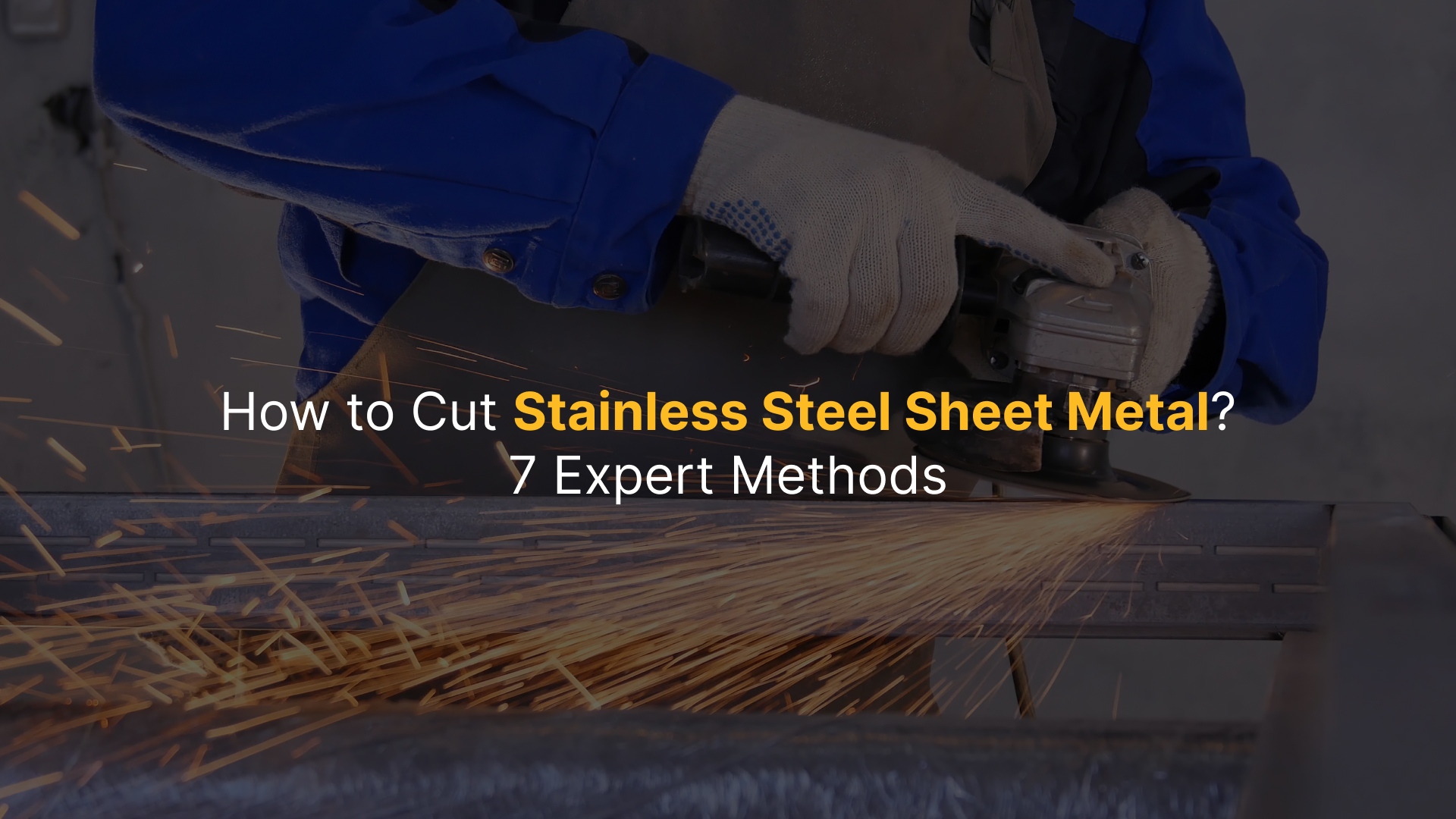
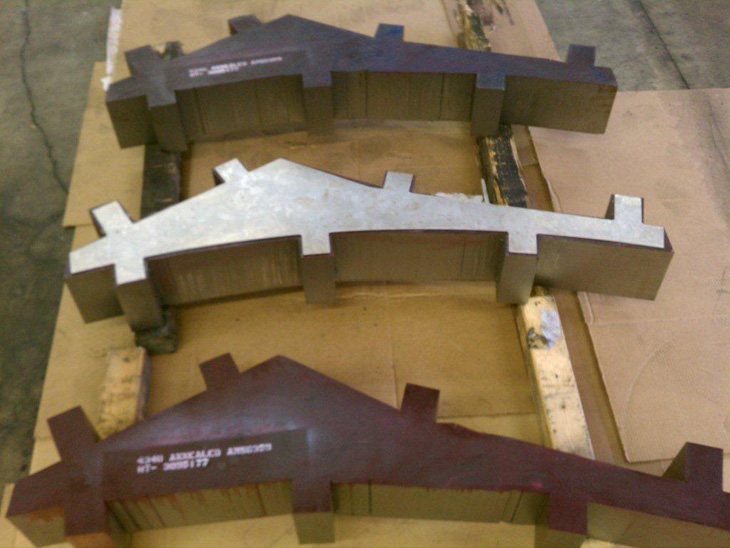
Cutting stainless steel sheet metal is no easy task. With its strength, corrosion resistance, and ability to withstand extreme conditions, the material is essential for mission-critical components.
For professionals in industries like aerospace, defense, and medical manufacturing, precise cuts are crucial. A poor-quality cut can result in costly delays, failed compliance, or even component failure. So, how do you ensure you're cutting stainless steel sheet metal with precision?
In this guide, you'll discover 7 expert methods for cutting stainless steel sheet metal efficiently. From common techniques to high-precision solutions, you'll learn what works best for various thicknesses, grades, and applications.
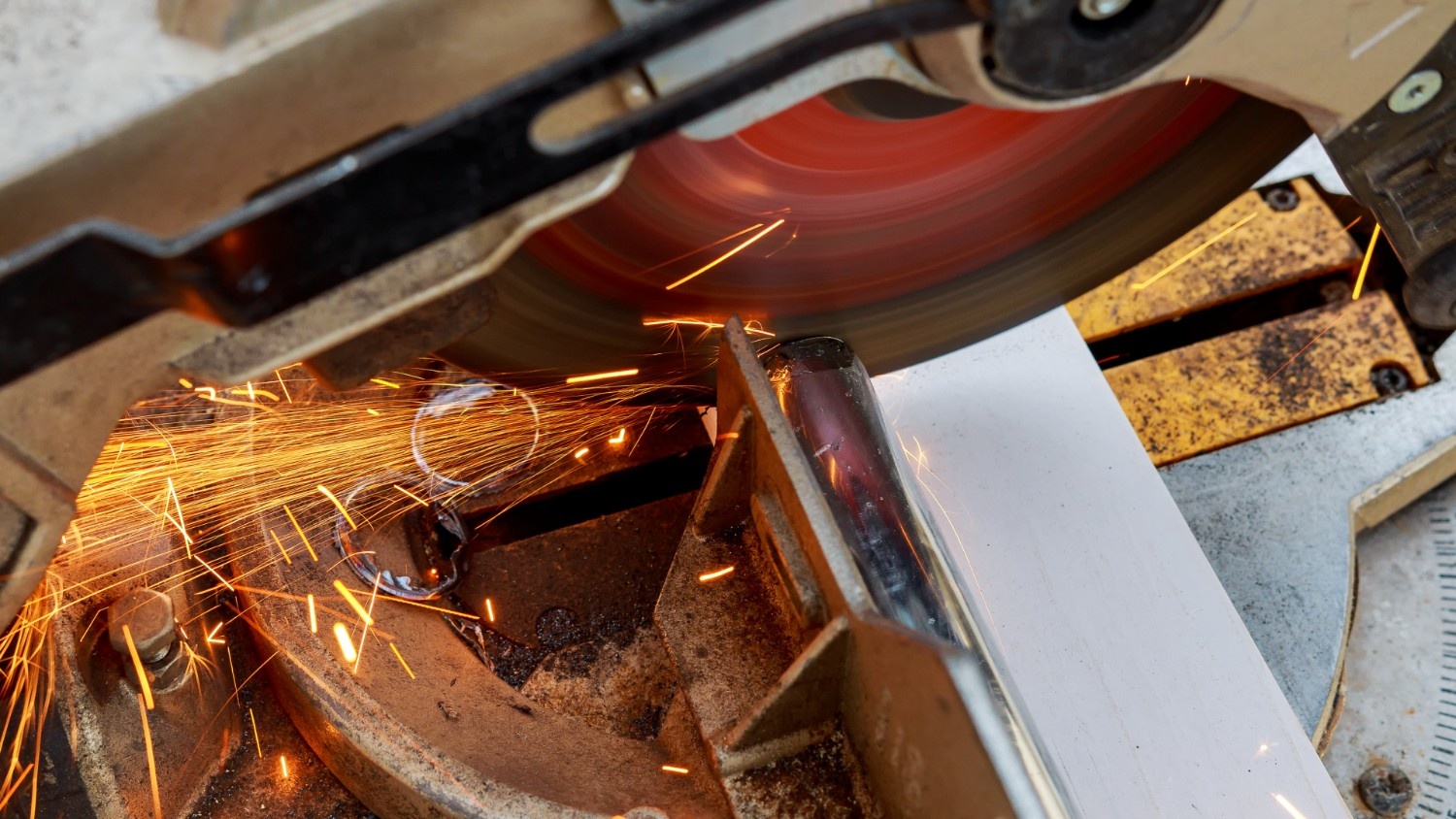
The short answer is yes, stainless steel sheets can be cut, but it requires the right equipment and methods to do so effectively. Given the material's hardness and heat sensitivity, using improper tools can lead to poor cuts, wasted material, and delays in production.
If you're unfamiliar with cutting stainless steel, it's crucial to approach the task with the right knowledge or consult with experts to ensure precise results.
Now that the question is settled, let’s explore the key considerations for choosing the right cutting method for stainless steel sheet metal.
Choosing the right cutting method for stainless steel requires careful consideration of multiple factors to ensure precision, cost-efficiency, and material integrity.
Here are the most critical factors to consider:
By carefully weighing these considerations, you'll be better equipped to select the right method for cutting stainless steel sheets that meets your material and operational needs.
Choosing the right cutting method starts with understanding the specific stainless steel grade and its thickness. Different grades of stainless steel require different tools and techniques for effective cutting.
Below is a detailed guide to help you select the right tools based on the thickness and grade of stainless steel sheet.
Now that you have a detailed guide to choosing the right tools based on stainless steel grade and thickness, let's move on to the 7 expert methods for cutting stainless steel sheets.
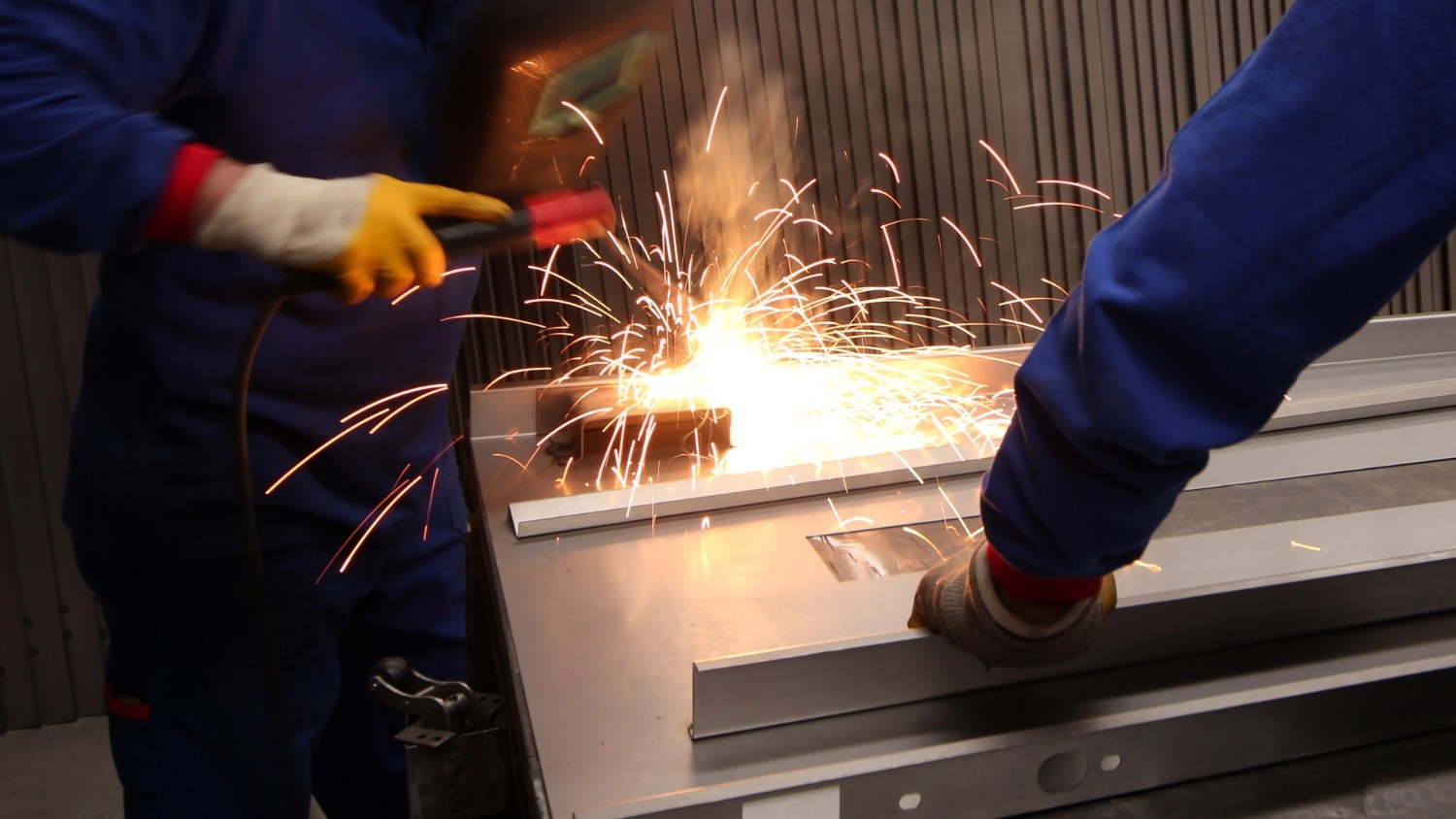
Cutting stainless steel sheet metal requires the right method to achieve precision, minimize material waste, and ensure structural integrity.
Below are 7 expert methods that provide a range of solutions for cutting stainless steel based on sheet thickness, grade, and precision requirements.
Technique: Band saws use a continuous loop of serrated metal to make precise cuts. Circular saws, when fitted with the right blade (carbide or HSS), are suitable for cutting straight lines through medium-thickness sheets. Cold saws reduce heat generation during cutting, maintaining material integrity.
Limitations: Requires setup and maintenance; slower than plasma or laser cutting; cold saws can be more expensive.
Best For: Medium-thickness sheets (1/8 inch to 1/2 inch), ideal for stainless steel requiring cleaner cuts, especially when heat distortion needs to be minimized.
Technique: Plasma cutting uses a high-temperature, ionized gas stream to melt and remove material. Plasma arcs can cut through thick stainless steel at high speeds, making them ideal for rough, straight cuts in larger volumes.
Limitations: Less precise than laser cutting; heat-affected zone (HAZ) can cause material warping.
Best For: Thicker stainless steel sheets (>1/2 inch), ideal for cutting thick sheets quickly, where precision is secondary.
Technique: Waterjet cutting uses a high-pressure stream of water, sometimes mixed with abrasives, to cut through stainless steel. This method generates no heat, eliminating the risk of distortion or material changes in the cut area.
Limitations: Slower than plasma and laser cutting methods; higher operational costs due to abrasive materials.
Best For: Thin to medium thickness (up to 2 inches), ideal for intricate designs or applications requiring high precision and material integrity.
Technique: A laser beam is focused onto the stainless steel sheet to melt and vaporize the material along the cutting path.
Limitations: Expensive for large-scale operations, especially for cutting thick sheets; not suitable for all stainless steel grades.
Best For: Thin to medium thickness (up to 1 inch), ideal for high-precision components where tolerances and surface finish are critical, such as aerospace or medical devices.
Technique: CNC machines use rotating cutting tools to remove material from a workpiece. This method is ideal for making precise cuts and complex geometries in stainless steel sheets.
Limitations: Slower compared to other cutting methods, and requires skilled operators.
Best For: High-precision parts, complex shapes, best for highly intricate parts or components where the highest level of precision is required.
Technique: EDM uses electrical discharges to erode material from the cutting area, allowing for extremely fine and intricate cuts.
Limitations: Slow, costly, and suitable only for small, complex cuts.
Best For: High-precision, intricate cuts on thick stainless steel, ideal for detailed, intricate cuts with tight tolerances, particularly for high-value components.
Technique: Combining multiple cutting methods, such as plasma for rough cuts followed by laser or CNC for finishing, can optimize both speed and precision.
Limitations: Requires additional setup and coordination, which can increase complexity.
Best For: Large production runs with varied cutting needs, ideal for high-volume production where efficiency and precision are required across different parts.
Looking for reliable, certified stainless steel alloys? Aero-Vac offers fast, high-quality materials with expert processing services, ensuring timely delivery and precision. When you need dependable solutions, Aero-Vac is the partner you can trust.
Now that you know the best cutting methods, let’s take a look at common issues when cutting stainless steel and how to avoid them.
Cutting stainless steel comes with its own set of challenges, particularly when working with thicker materials or heat-sensitive grades.
Here are the common issues that can help you avoid costly mistakes and achieve precise cuts.
1. Heat-Affected Zones (HAZ): Heat from cutting can alter the material's properties, leading to distortion, discoloration, or weakened areas.
2. Burrs and Rough Edges: Sharp, raised edges after cutting can affect the material's finish and safety.
3. Work-Hardening: Stainless steel can become harder as it is cut, leading to tool wear and rough cuts.
4. Material Distortion / Warping: Heat and stress can cause stainless steel to warp, resulting in dimensional inaccuracies.
With these issues addressed, let's explore why Aero-Vac is the ideal partner for your stainless steel and alloy needs.
Aero-Vac is a global leader in providing high-performance, specialty metal alloys for critical industries like aerospace, defense, and medical. They deliver certified, traceable materials with fast turnaround times, mitigating supply chain risks.
Ready to take the next step? Explore Forging-Grade Alloys & Metals with Aero-Vac to ensure your materials meet the highest standards for performance and reliability.
Stainless steel sheet metal requires careful consideration when selecting the right cutting method to achieve precision and avoid material waste. Understanding how to cut stainless steel sheet metal effectively ensures quality results and reduces the risk of costly mistakes.
Aero-Vac provides certified, high-performance alloys with quick delivery and value-added services like precision cutting, ensuring reliable results for demanding industries.
Ready to secure your next alloy supply? Request a certified quote for your custom stainless steel needs today.
1. What is the best cutting method for thin stainless steel sheets?
The best method for cutting thin stainless steel sheets (<1/8 inch) is mechanical shearing or aviation snips, which provide quick and effective cuts without excessive heat generation or distortion.
2. How do I prevent warping when cutting stainless steel?
Warping can be minimized by using controlled cutting speeds, proper fixturing, and methods like waterjet cutting or laser cutting that generate less heat and reduce material stress.
3. Can plasma cutting be used for precision cuts on stainless steel?
Plasma cutting is suitable for rough cuts on thicker stainless steel, but may not provide the high precision required for tight tolerances. Laser cutting or waterjet cutting is better for precise, intricate cuts.
4. Why should I avoid high-speed cutting for grades like 304L or 316L?
High-speed cutting on 304L and 316L grades can cause heat buildup, resulting in discoloration and weakened material properties. Slower speeds and proper cooling are essential to maintain material integrity.
5. How do manual cutting methods impact the precision and finish of stainless steel cuts?
Manual cutting methods can lead to inconsistent cut quality, rough edges, and a higher risk of distortion. They often require additional finishing work and may not meet tight tolerance requirements.